




























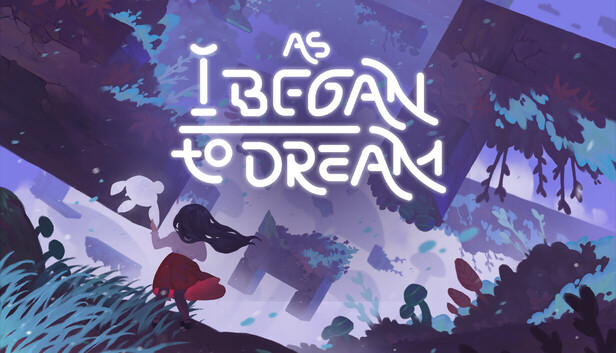
As I Began to Dream is a narrative-driven puzzle platformer on Nintendo Switch that focuses less on action and more on emotional storytelling. Centred on themes of loss, healing, and self-reflection, the game invites players into a quiet dream world where puzzles and atmosphere work together to explore grief in a thoughtful, accessible way.

An Emotional Story Told in Stages
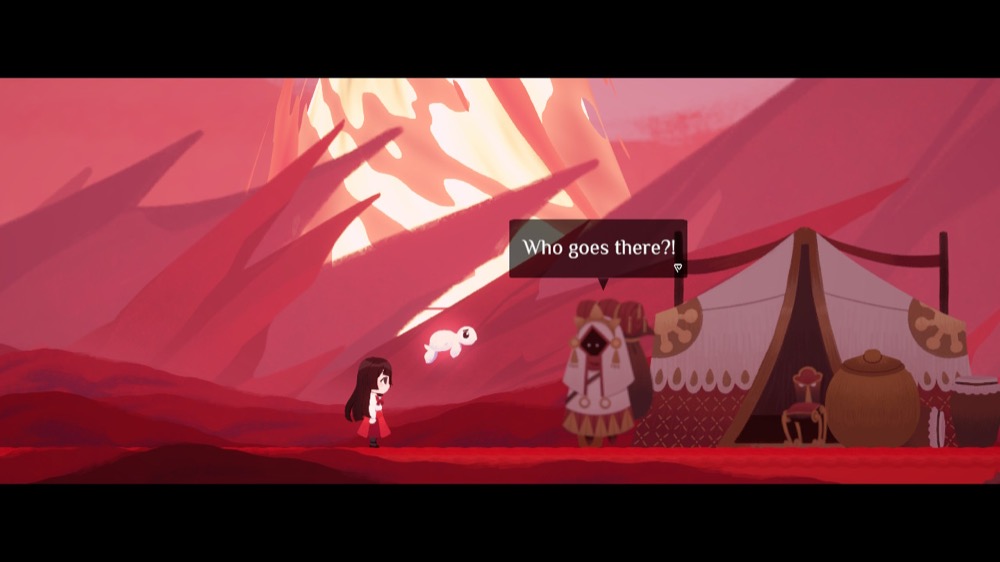
The game follows Lily, a young girl navigating a surreal dreamscape alongside her turtle companion. Each chapter is inspired by one of the five stages of grief—denial, anger, bargaining, depression, and acceptance—and each carries its own visual tone and emotional weight. Rather than relying on heavy dialogue, the narrative unfolds through environments, subtle interactions, and mood, allowing players to interpret Lily’s journey at their own pace.
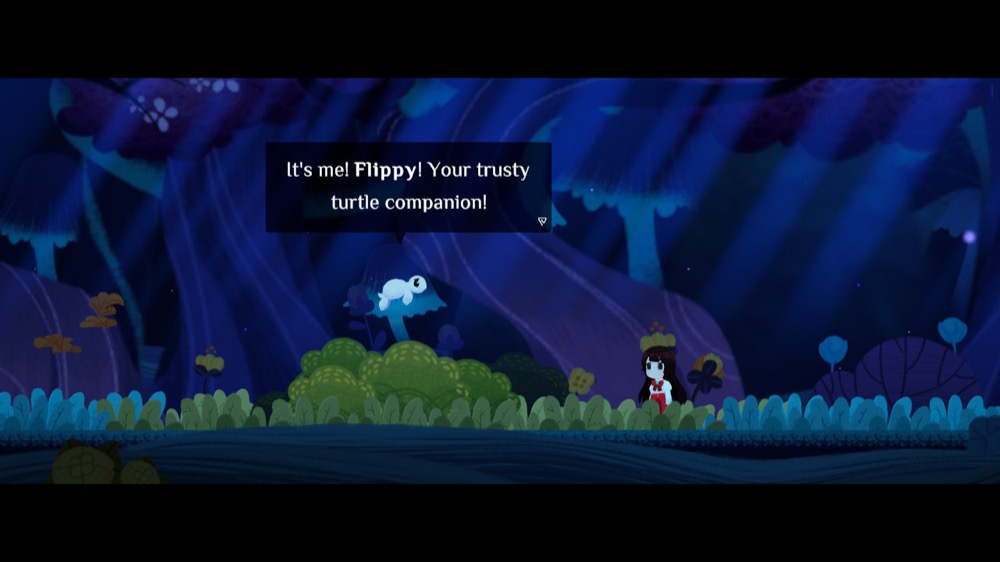
While the story is simple on the surface, it carries emotional depth that slowly reveals itself as Lily progresses. The gradual shift in atmosphere between chapters helps reinforce her healing process and gives the experience a sense of purpose beyond simply reaching the next level.
Puzzle-Focused Gameplay With a Relaxed Pace
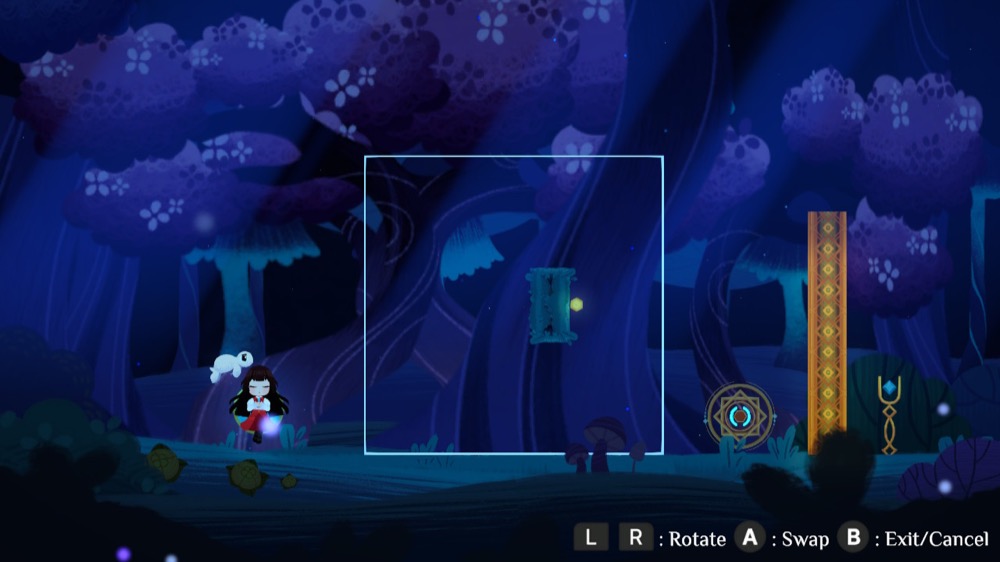
Gameplay revolves around 2D puzzle-platforming where players manipulate the environment to clear paths, avoid hazards, and overcome enemies indirectly. Lily can swap, rotate, and move parts of the world from specific points, turning each area into a spatial puzzle rather than a combat challenge.
The difficulty increases gradually, offering a smooth learning curve that makes the game approachable for a wide range of players. However, puzzle solutions can be quite rigid, and the limited interactivity may feel restrictive for those seeking more freedom or action. Progression depends entirely on solving puzzles correctly, which can occasionally feel frustrating when physics or timing do not behave as expected.
Storybook Visuals and a Soothing Soundscape
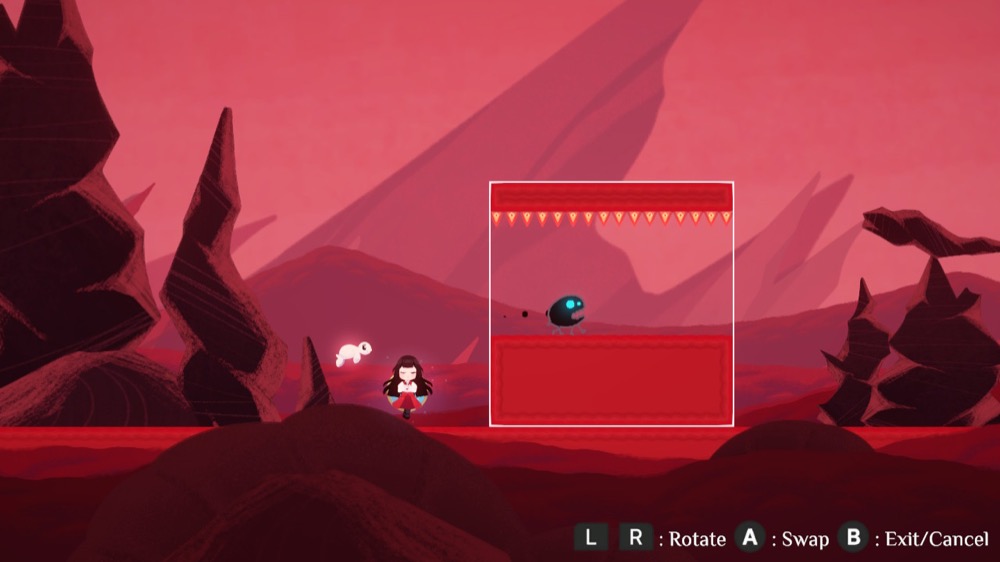
Visually, As I Began to Dream leans into a hand-drawn, storybook aesthetic. Soft colors and simple designs create a dreamlike quality that shifts with each stage of grief, keeping environments visually distinct while maintaining a cohesive style.
The soundtrack complements this approach with calm, melancholic melodies that reinforce the introspective tone. Music and visuals work together to create a peaceful, almost meditative experience, encouraging players to slow down and absorb the atmosphere.
A Quiet Experience With a Clear Audience
As I Began to Dream is a short, emotionally driven experience best suited for players who enjoy narrative-focused games and gentle puzzle-solving. It is family-friendly and accessible, but its slow pace and minimal action may test the patience of those looking for constant engagement or mechanical depth.
For players willing to meet it on its own terms, the game offers a bittersweet and memorable journey. Its exploration of grief through simple mechanics and thoughtful presentation makes it less about challenge and more about reflection, leaving a lasting impression through mood and meaning rather than spectacle.