



























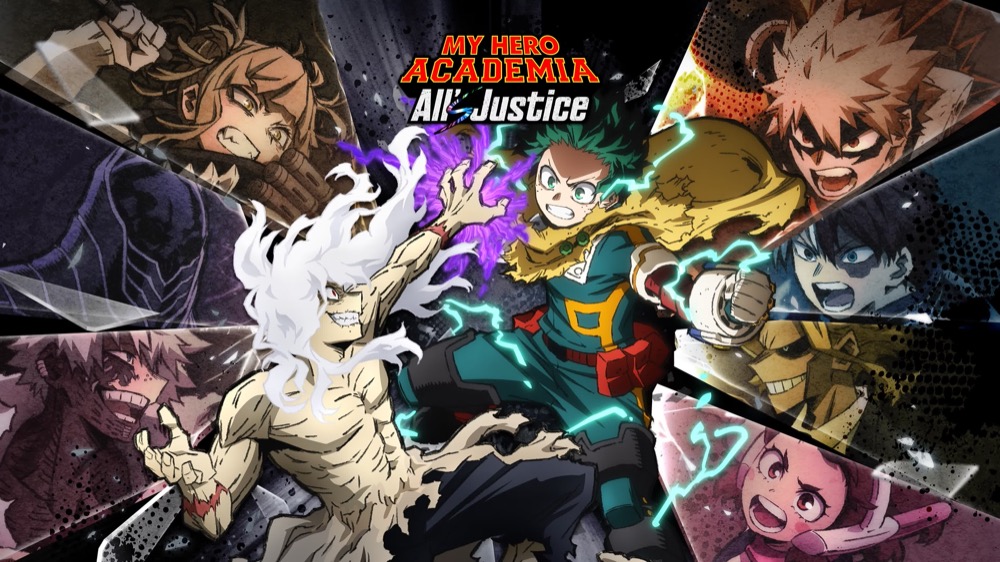
My Hero Academia: All’s Justice feels very deliberately positioned as a send-off. Rather than another broad retelling of the anime’s early arcs, this entry zeroes in on the Final War, framing itself as the climactic, everything-on-the-line confrontation between heroes and villains. That focus gives the game a stronger identity than past My Hero Academia adaptations, and it shows in both its presentation and its mechanics.
A Story Built for the Endgame
Story mode retells the final arc from multiple perspectives, letting you step into the shoes of U.A. students, Pro Heroes, and villains alike. The structure works well for fans who already know the story, with fully voiced dialogue, cinematic cutscenes, and dramatic set-piece battles designed to mirror key clashes like Deku versus Shigaraki or Todoroki versus Dabi. It feels less like a recap and more like an interactive highlight reel, clearly aimed at players who want to relive the series’ biggest moments rather than be eased into its world.
 3v3 Combat That Actually Feels Strategic
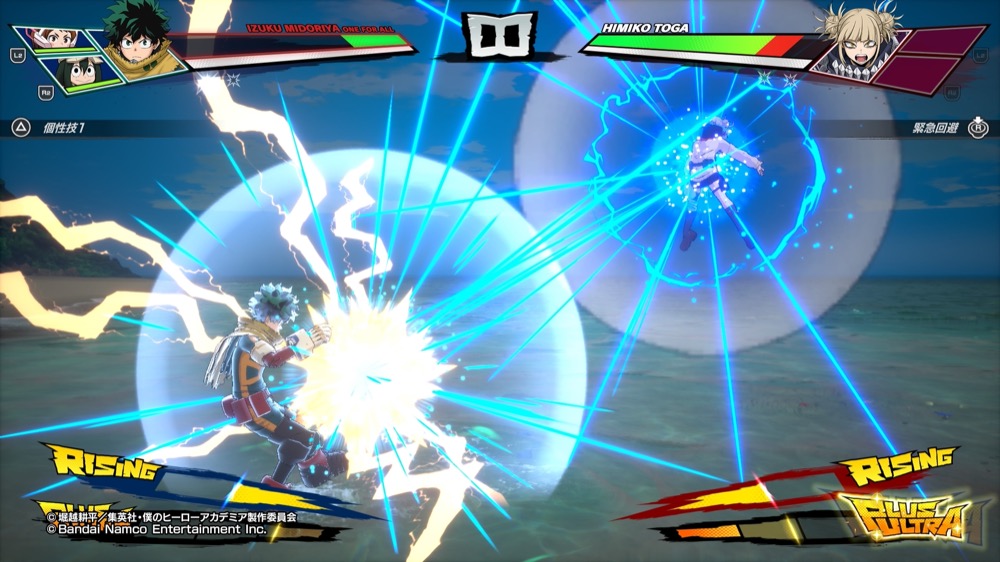
At its core, All’s Justice is a 3D arena fighter, but the 3-on-3 tag system gives it more depth than the genre’s usual button-mashing reputation. You can tag in teammates mid-combo, during pressure, or even while blocking, turning switching into a constant tactical decision. Keeping all three characters alive matters, since tags are as much a defensive lifeline as they are an offensive tool.
The standout mechanic is Rising, a character-specific power-up state that dramatically alters how fighters behave. Some characters gain new combo routes or boosted Quirk effects, while others trigger screen-wide pressure or temporary transformations. Rising is powerful, but it comes with a meaningful trade-off: you lose access to tagging while it’s active. Deciding when to cash in that power spike adds a layer of tension that keeps matches from feeling one-note.
 A Roster That Embraces Variety
This is the largest roster the series has seen, and more importantly, it’s one of the most distinctly designed. Characters don’t feel like variations on the same template. Tokoyami’s stance-like relationship with Dark Shadow, zoning-heavy villains like the latest All For One, and unconventional takes such as Armored All Might give the cast real personality in play. Learning one character doesn’t automatically prepare you for another, which makes experimentation rewarding but also raises the skill ceiling.
 Modes, Missions, and Replay Value
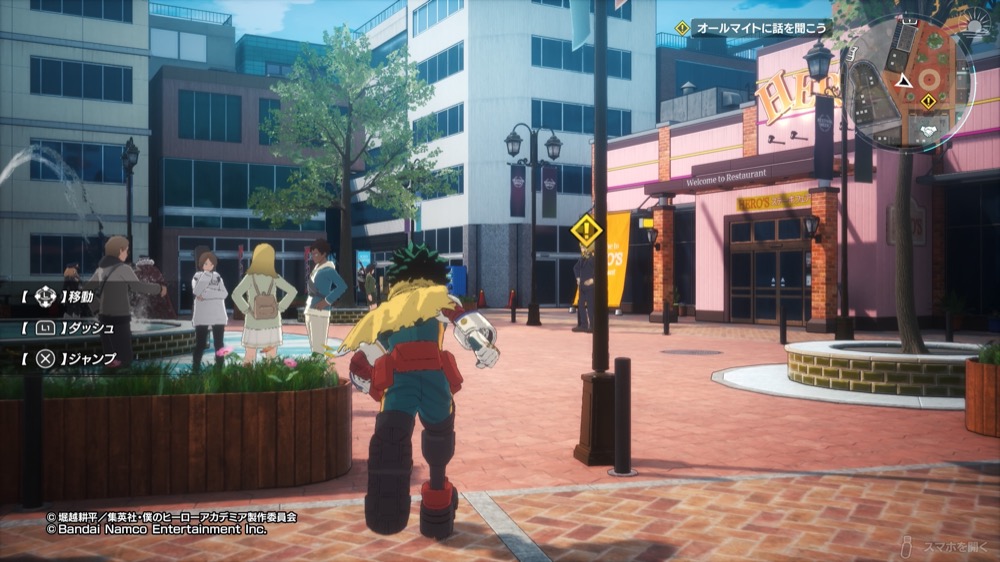
Beyond story mode, Team Up Mission Mode offers a lighter, more game-y experience, placing characters in a virtual training setting where you form squads, clear objectives, and unlock rewards. It’s not as narratively driven, but it provides a good reason to test new team combinations and learn how different Quirks synergise. Online PvP rounds things out, catering to players who want to push the combat system further, though difficulty spikes and pacing hiccups in single-player can occasionally break the flow.
 Verdict
My Hero Academia: All’s Justice is very much a game for fans of the series’ late stages. Its biggest strengths lie in its focused Final War adaptation, its mechanically interesting 3v3 combat, and a roster that prioritizes uniqueness over sheer numbers. While it still inherits some of the rough edges common to anime arena fighters, it stands out as the most confident and fully realised My Hero Academia game so far. If you’re invested in the anime’s endgame and enjoy flashy, team-based fighters, this feels like a fitting, explosive finale.