
























Dragon Quest VII Reimagined takes one of the series’ most famously long and deliberate entries, a quarter of a century later, and reshapes it into a far more approachable experience. This modern remake preserves the original’s time-hopping structure and vignette-based storytelling, while smoothing out pacing issues that once made it daunting, especially for newcomers to the genre.
A Diorama World That Feels Alive
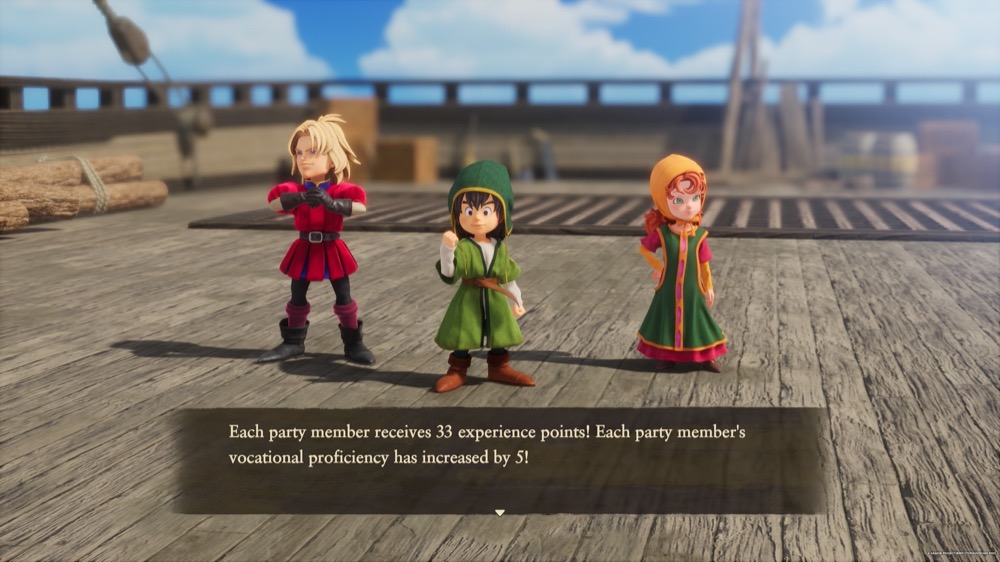
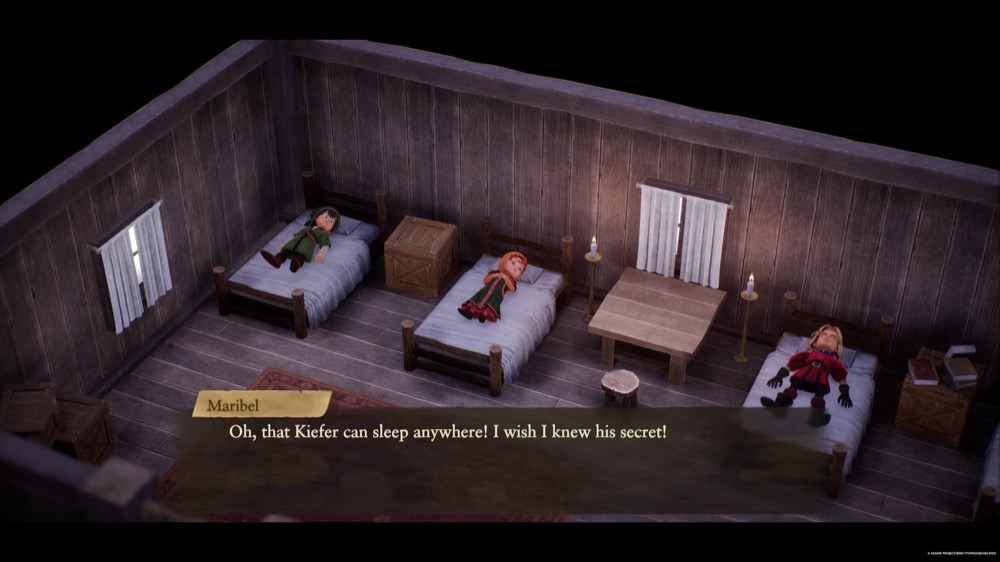
What immediately stood out to me is just how polished and welcoming everything feels. The new diorama-style presentation is colourful, charming, and easy on the eyes, giving each town and island a handcrafted warmth that fits Dragon Quest perfectly. Exploration feels effortless thanks to a mostly top-down camera that offers excellent visibility. Full 360-degree camera control is available, but the default angle is so well chosen that adjusting it rarely feels necessary. Combined with colorful environments and a classic, sweeping soundtrack that is unmistakably Dragon Quest, the game consistently delivers a sense of cosy epic adventure.
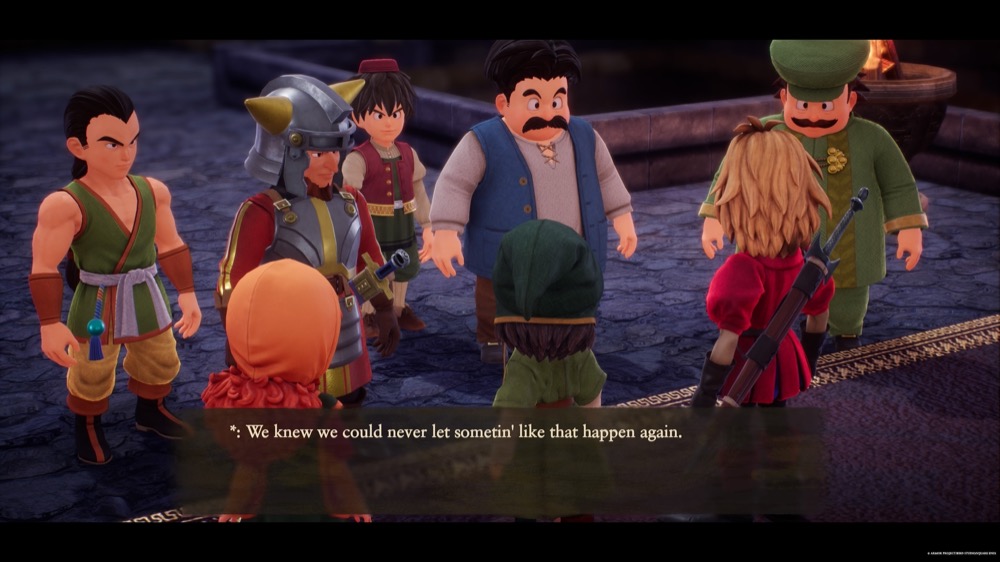
One of the standout upgrades this time around is that the entire cast is fully voiced, and it makes a huge difference, bringing Akira Toriyama’s characters and each moment to life in a way the original couldn’t. Emotional beats land more naturally, humour feels warmer, and the world feels far more alive as a result.
Streamlined Storytelling and Smarter Exploration
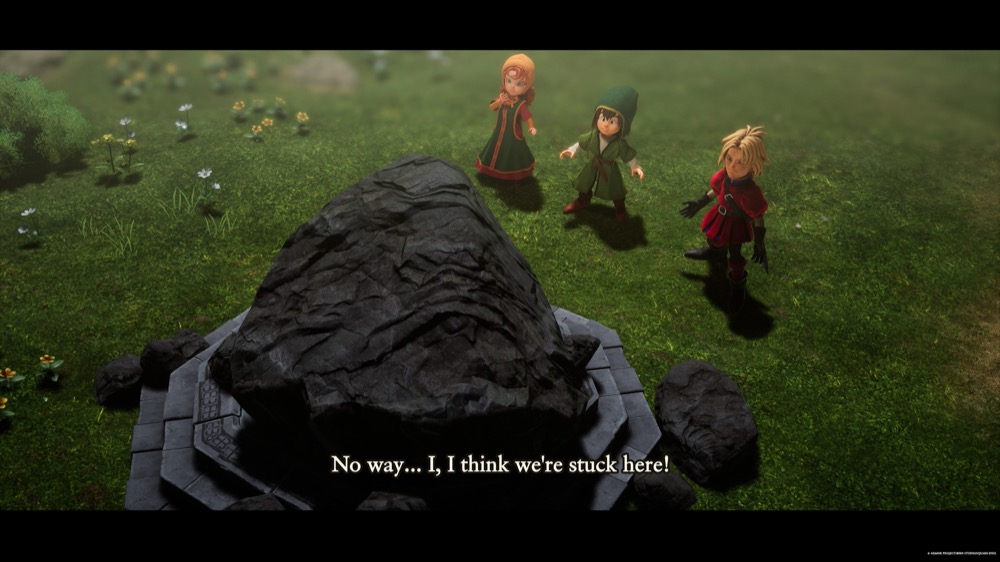
The core premise remains intact: you travel to past versions of lost islands, resolve their conflicts, and restore them in the present. What’s changed is how quickly the game gets moving. Key systems and story beats unlock much earlier, and the overall structure is more flexible, allowing players to tackle restored islands in different orders once the right stone fragments are found.
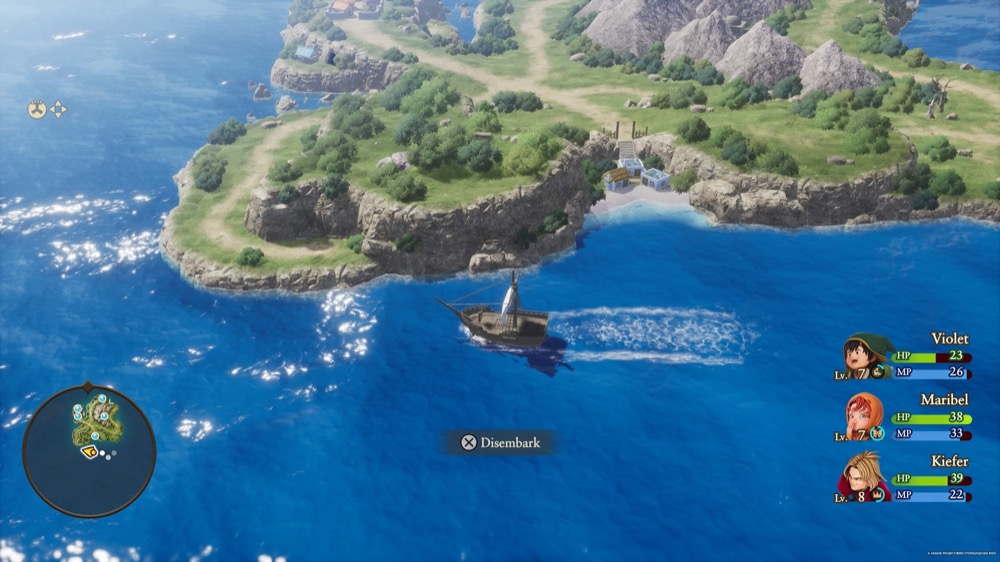
Fragment hunting is far less frustrating this time around. A checklist tracks what you’re missing, and previously obscure locations are now easier to reach. Fast zooming between locations, whether on foot or by ship, stands out as one of the most welcome quality-of-life improvements, letting you move the story forward at your own pace with minimal downtime.
One quality-of-life feature I especially appreciated is how effortlessly you can jump between locations, whether travelling on foot or by ship. It turns what was once a slow, methodical adventure into something you can move through at your own pace, making the experience as relaxed or as thorough as you want it to be.
Classic Combat, Made More Forgiving
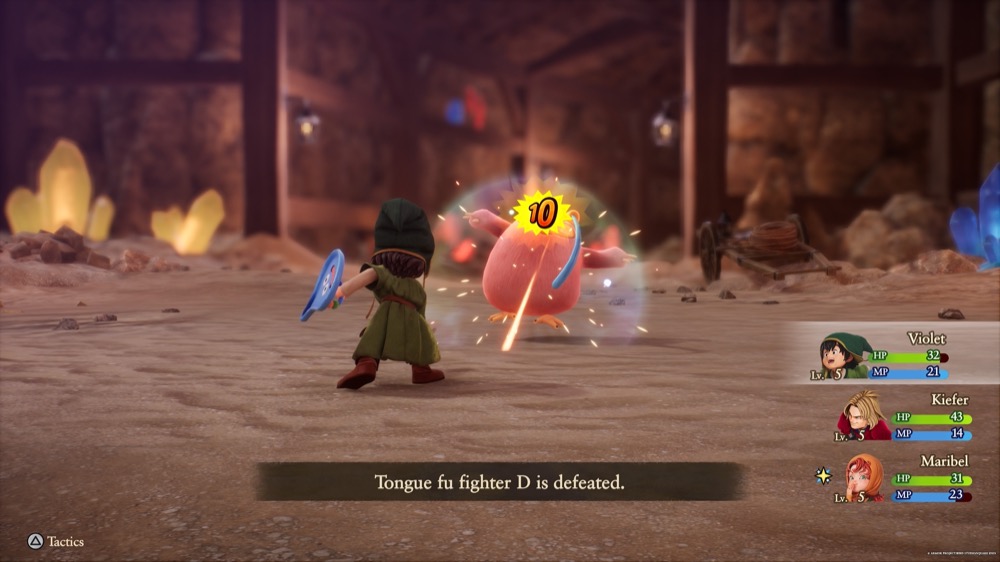
Combat remains turn-based and comfortably old school, but it’s noticeably smoother. Faster battle speeds, auto-battle options with selective tactics, and enemies appearing directly on the field all reduce unnecessary friction. Weak foes can be dispatched instantly on the map while still dropping items, which cuts down on grinding without removing progression entirely.
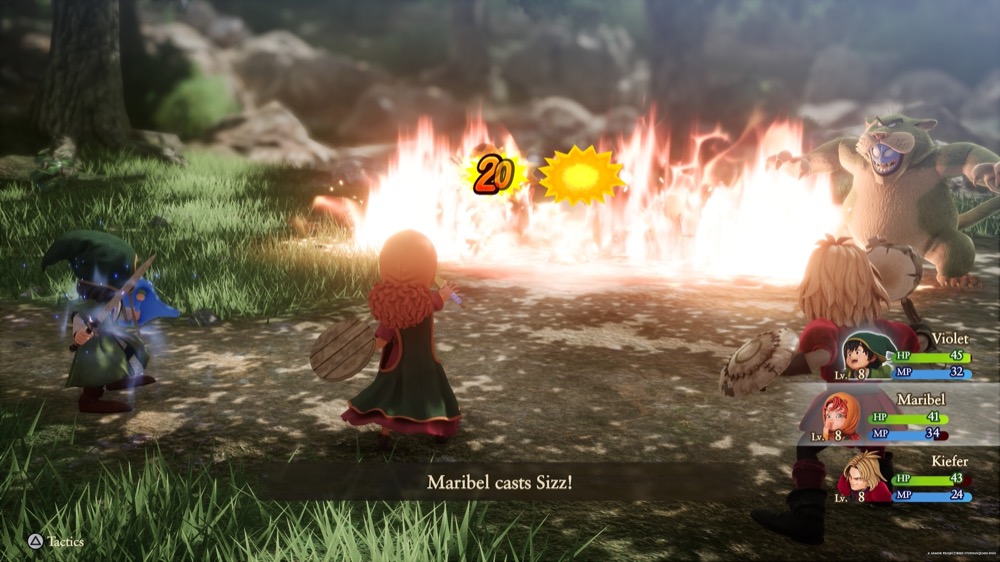
Normal mode feels welcoming rather than punishing, with steady leveling and frequent opportunities to upgrade gear. Skills are still learned linearly as characters level up, without branching skill trees. While this may feel dated to some, it also makes the game more relaxing, removing the pressure of constant optimisation and letting players focus on the journey.
A Revamped Vocation System With More Flexibility
The reworked vocation system strikes a nice balance between depth and clarity. Being able to switch jobs on the fly without trekking back to Alltrades Abbey removes a massive source of friction from the original, while tying skills to active vocations keeps menus clean and encourages more thoughtful planning. It feels streamlined without losing the strategic flavour that made the system appealing in the first place.
A Thoughtful Revival Worth Experiencing
Dragon Quest VII Reimagined succeeds in bringing a beloved but intimidating classic to a new generation. It is polished, colourful, and thoughtfully modernised, with enough quality-of-life improvements to make its massive adventure feel manageable rather than exhausting.
All in all, it feels like the version this game was always meant to be. It respects its roots, preserves its sense of scale and charm, and smooths out decades-old rough edges without sanding away its identity. Whether you’re revisiting a beloved classic or stepping into this world for the first time, this remake makes a strong case for why Dragon Quest VII still matters, even 25 years later.

