














Yakuza Kiwami 2 is the third entry in the remake series, following the release of the prequel Yakuza Kiwami and Yakuza 0, which cements one of the darkest periods in Kiryu’s life and delivers some of the strongest narrative writing in the series. Replaying this title is always exciting, especially because of how grounded the storytelling was during this era of the franchise.
When the Kiwami project was first announced back in 2016, I shared the same excitement as the several million players who had walked alongside Kazuma Kiryu in the original series. With Yakuza 0, it not only introduced a whole new generation of fans but also renewed love for the franchise as a whole.
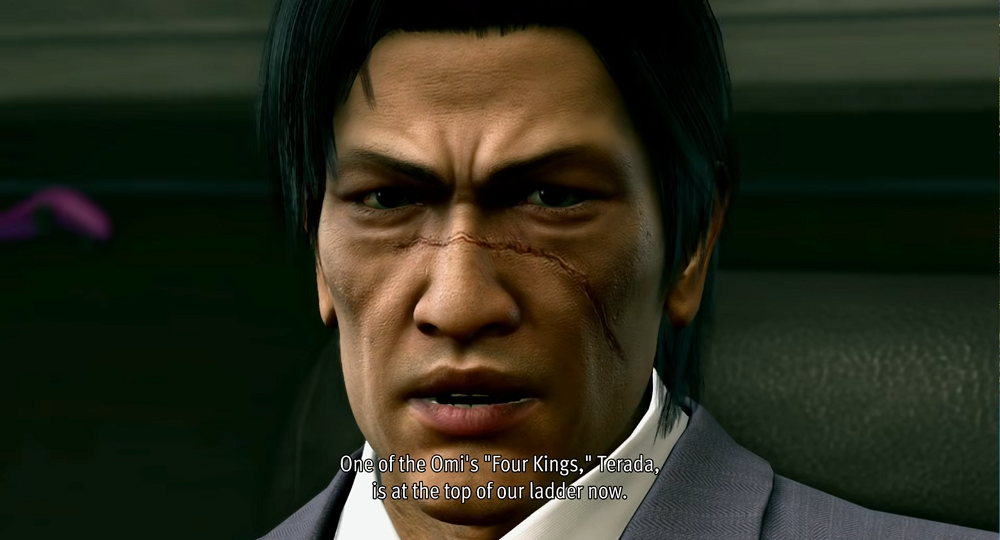
We follow Kiryu once again, unable to find peace after stepping away from the conflicts of the Dojima and Tojo clans. Hoping to leave his dark past behind, he seeks a new life while raising Haruka Sawamura, who grew up without her parents and now lives at Sunflower Orphanage. Yukio Terada, the chairman of the Tojo Clan, asks Kiryu to assist in preventing a potential war with the Omi Alliance. The return of Goro Majima significantly elevates the experience and further cements him as a fan-favorite character. While initially portrayed as Kiryu’s rival, Majima ultimately aids him and makes great sacrifices to ensure the safety of both his own people and Kiryu himself.
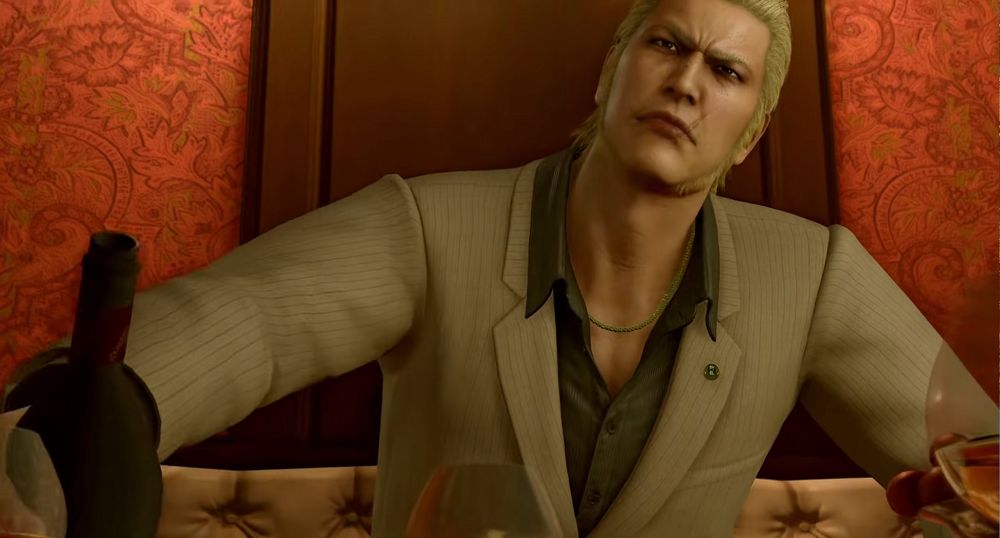
Ryuji Goda returns as the main villain known as “Dragon of Kansai”. Firm in his ambition, he is determined to defeat Kiryu and claim the title of the “One True Dragon.” Though ruthless, Ryuji abides by his own strict code of principles and morality. As the plot thickens, more challenges pile onto Kiryu’s shoulders, but fortunately, he is supported by some of the best comrades he could ask for during these trying times. Without spoiling too much, it is highly recommended that players experience the series sequentially—starting with Yakuza 0, then Kiwami, and finally Kiwami 2—for the fullest narrative impact.
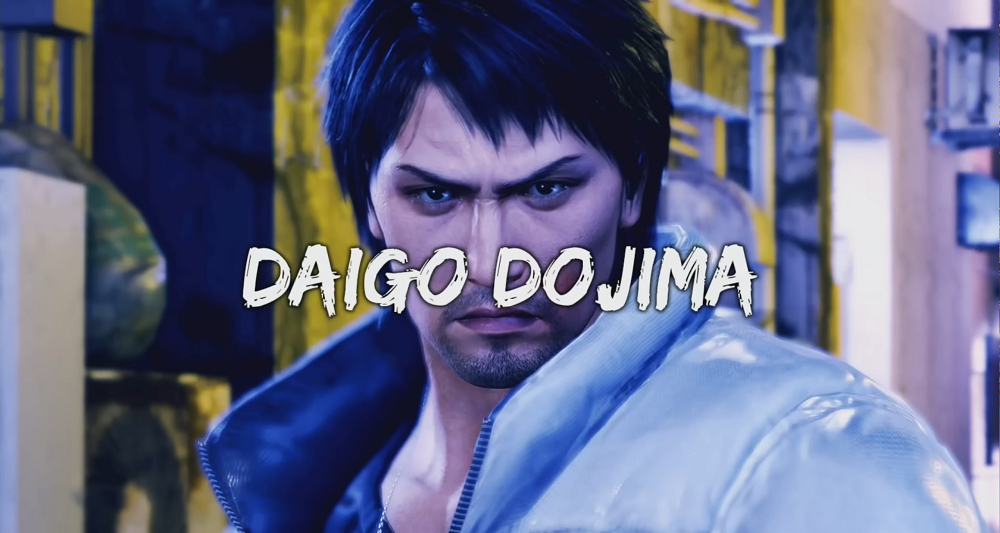
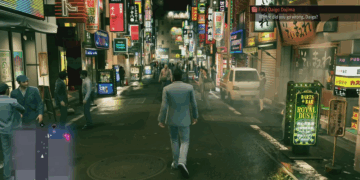
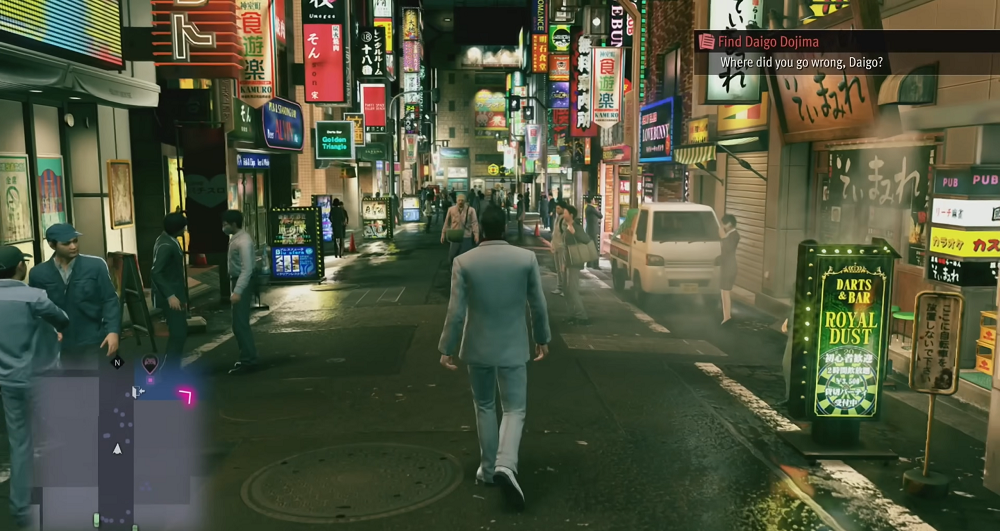
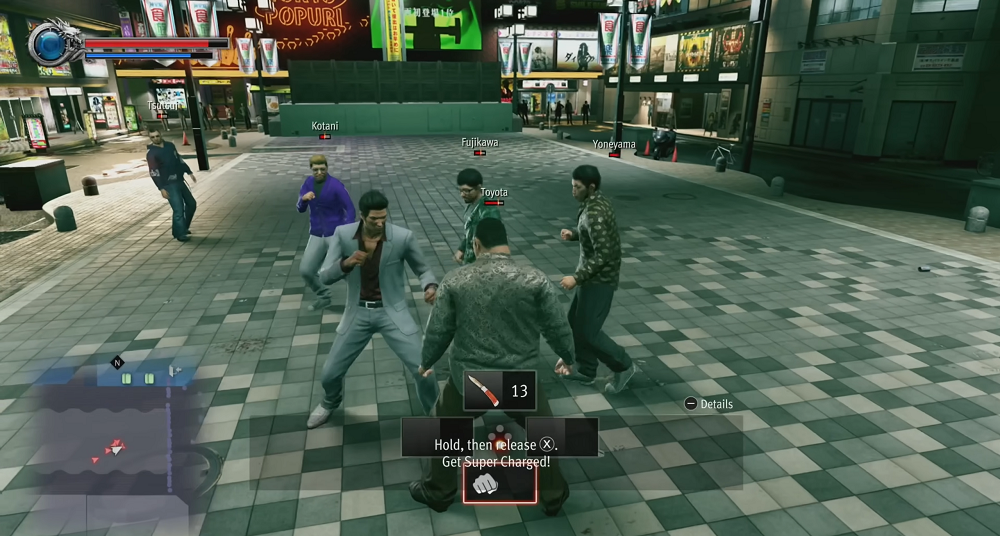
Unfortunately, Yakuza Kiwami 2 runs only 30 frames per second instead of Yakuza Kiwami which ran a flawless 60 frames per second. Visually, the game looks just as impressive as it did on its original console release. For a handheld experience, it is comparable to the PlayStation 4 version rather than the PlayStation 5 or PC editions. There are moments during cutscenes where the framerate briefly jumps to 60 frames per second. During combat, performance does dip a bit when Kiryu is surrounded by numerous enemies (not too often).
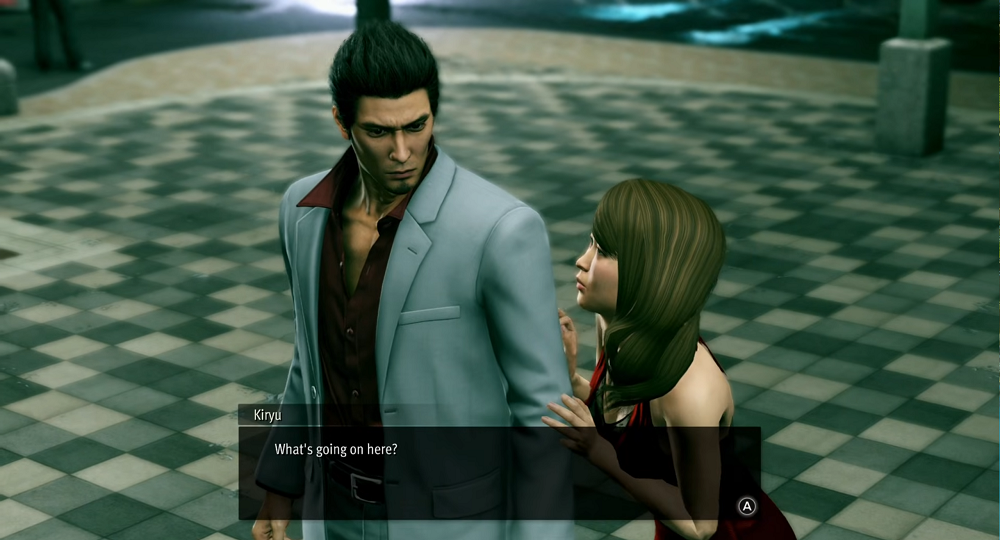
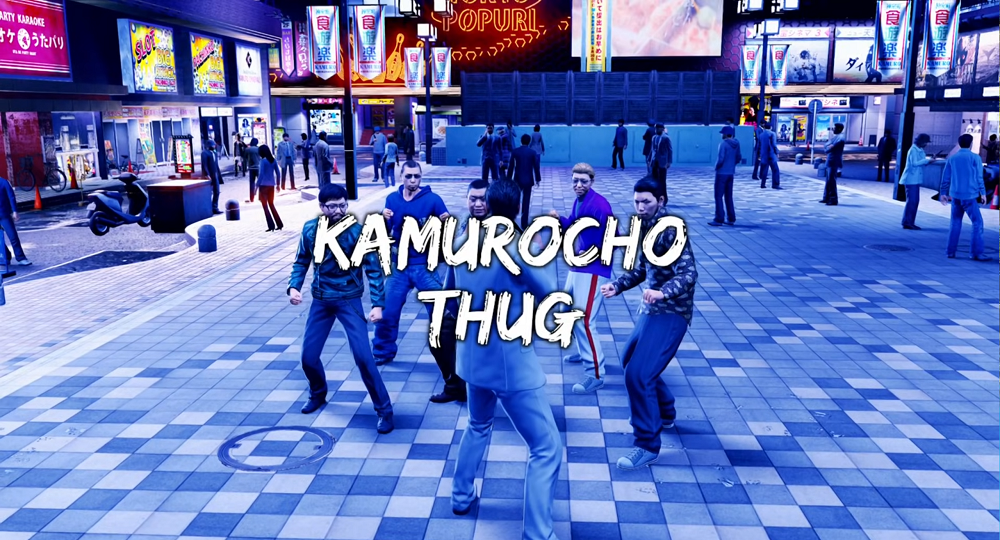
Exploring Kamurocho and Sotenbori in handheld mode feels fantastic. The vibrant neon lights, engaging side quests, and entertaining minigames feel more immersive than ever. Overall, performance is not an issue in this port. With RGG Studio’s Dragon Engine powering all modern mainline entries—even on handheld hardware—it’s clear the franchise is in smooth hands moving forward.
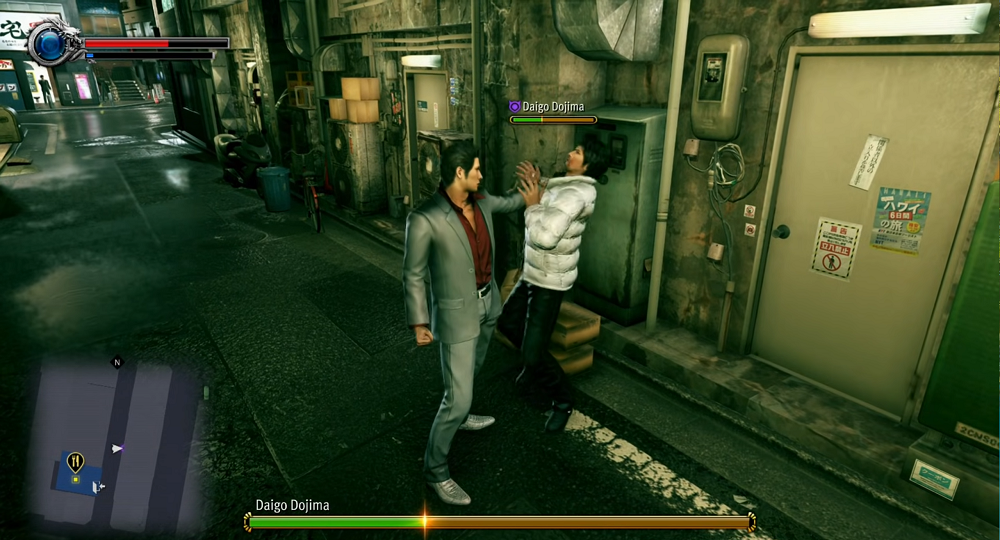
One final thought is that RGG Studio’s strategy of gradually bringing its catalog to handheld platforms is a smart move, especially for fans who value portability. With its deep lore, complex yakuza politics, and the enduring story of Kazuma Kiryu, Yakuza Kiwami 2 is a must-play. Its refined combat mechanics only enhance the experience further, making it feel like a two-in-one package—allowing players to explore both Kamurocho and Sotenbori while gaining deeper insight into Goro Majima and his backstory.
Yakuza Kiwami 2 is available on the Switch 2, as well as on PlayStation 4, PlayStation 5, Xbox One, Xbox Series X, and PC.