























After more than a decade, Life is Strange concludes with Life is Strange: Reunion, a superb send-off for the franchise that encapsulates what a narrative-driven interactive game should and could be. Its unique blend of time travel and the consequences of paradoxes creates a deep sense of attachment to many of the characters.
Reunion does one of the warmest things for players: it revisits Max and Chloe’s arc, bringing their story full circle. After all, they’re the ones who started this journey. While there are still countless questions players have been wondering about, Reunion steps in to answer them. At its peak, Life is Strange has never had a truly awful game—okay, maybe Double Exposure wasn’t the best. It seems the developers understood that, and Chloe is once again back in the picture.
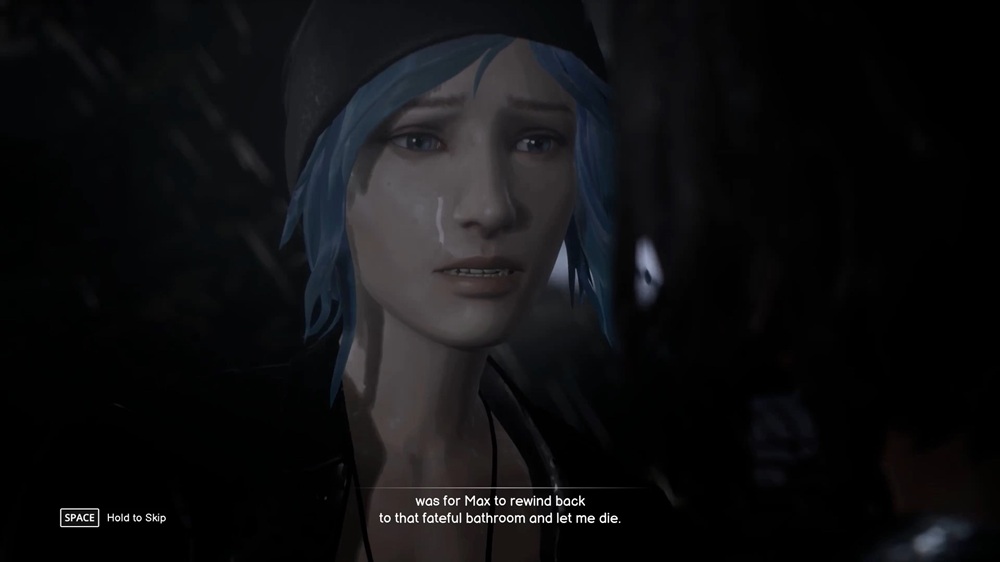
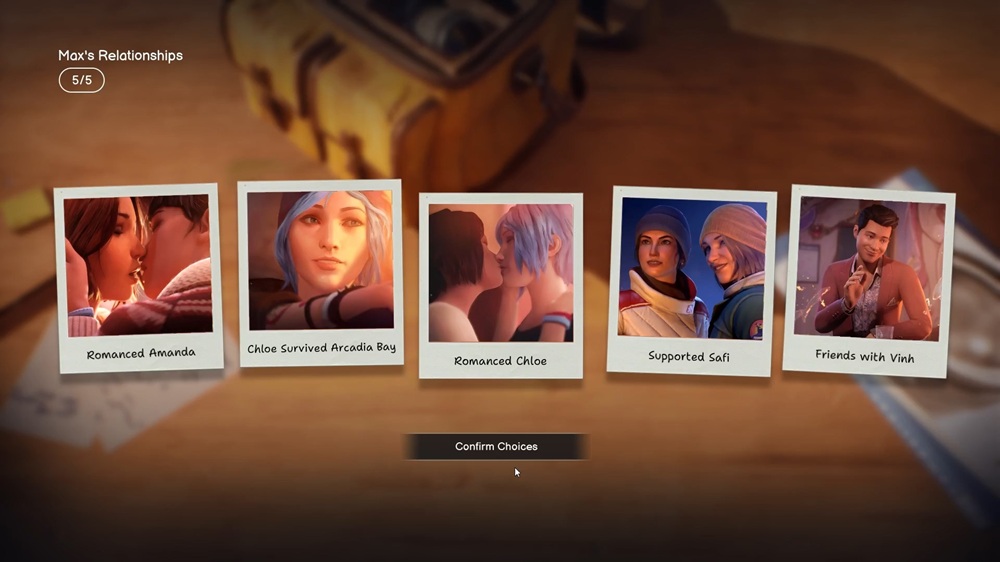
The game does a superb job of summarizing the entire plot in less than five minutes, making it crystal clear even for first-time players (though why would you start here?). After that, players are immediately thrown into the game, beginning as Chloe, who is struggling to secure a live show. Following an otherworldly sequence, the game cuts to the title card and shifts to Max’s narrative. Once again, she can rewind time to correct the player’s mistakes, uncover truths, and navigate difficult decisions. Max continues teaching at a university and uses her powers to help her students as well as assist in an investigation.
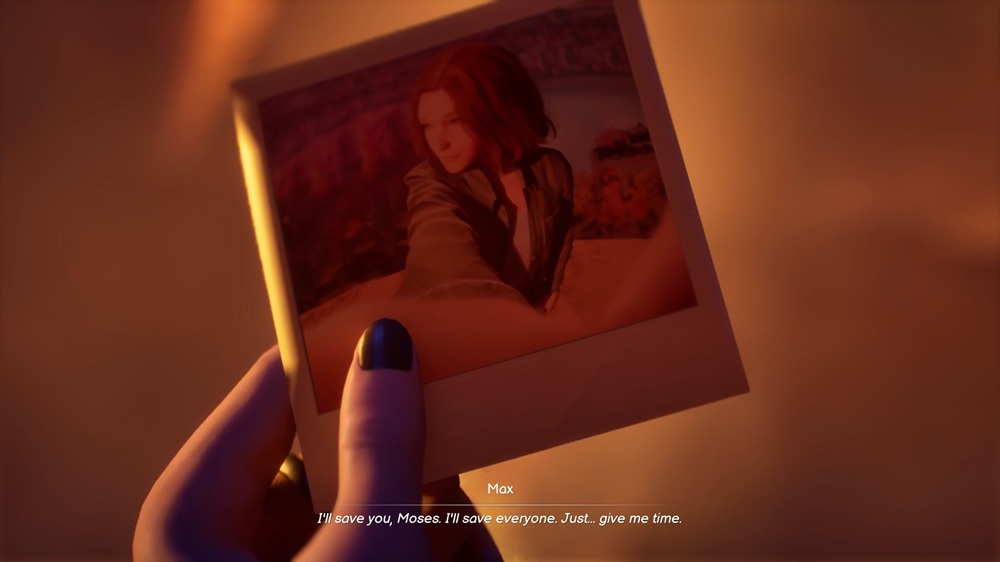
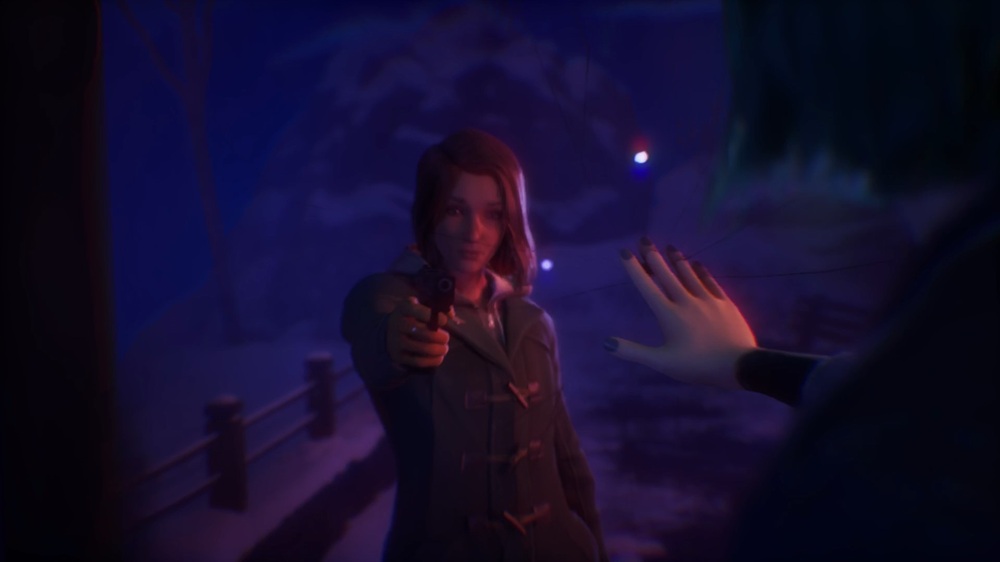
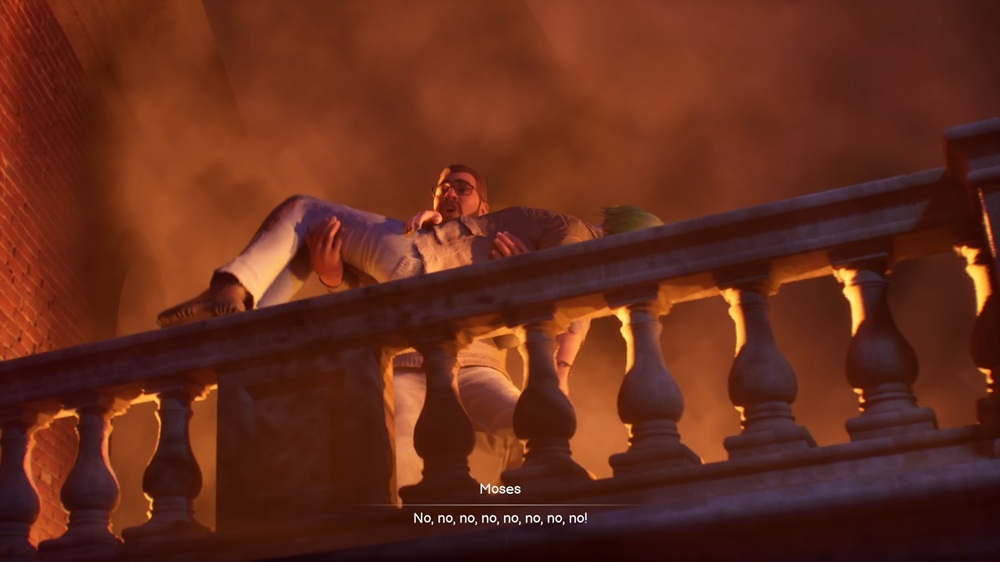
And surprise, surprise, Max now has evolved powers. She discovers this after leaping into a Polaroid to escape a devastating arson attack at her university, where she witnesses Moses falling from the burning building. From that point on, she gains the ability to remain in the past and restart events a few days before the tragedy. As always, the narrative is second to none, and Don’t Nod absolutely nails this sequel. It keeps players so engaged that I found it hard to pause, and I was constantly eager to see what would happen next.
On the downside, performance isn’t the game’s strong forte. As someone who enjoys playing on a Steam Deck, this is might not be possible. The optimization is poor, draining battery life and struggling with frame rates. Even running it on an RTX 3070 proved challenging. Given how demanding Unreal Engine can be, I wish more attention had been paid to optimization. It’s a real shame considering how compelling the narrative is.
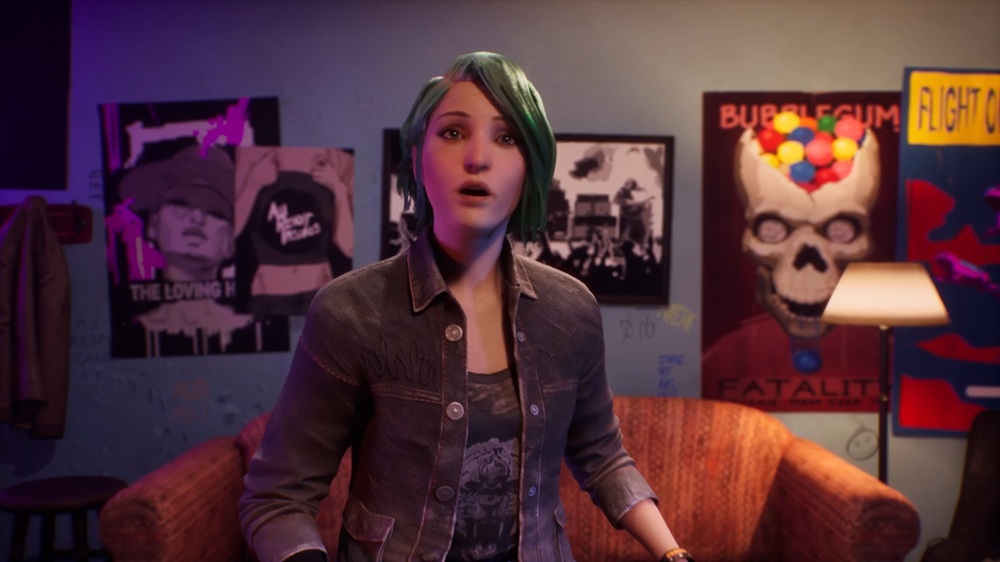
The music and soundtrack remain as strong as ever, holding up beautifully alongside previous titles. Voice acting and sound design have also received a noticeable quality boost, which is great to see. Longtime fans will recognize the developers’ excellent taste in music, and it continues to be a standout element for newcomers as well.
My overall verdict remains that Life is Strange feels like an anthology series. However, the franchise has struggled at times to introduce truly fresh ideas, which can be a bummer. Life is Strange: Reunion ultimately closes the chapter on Max and Chloe by revisiting familiar territory. Perhaps the developers will continue expanding the universe with new characters in a different timeline. Whatever lies ahead is exciting to think about.
Thank you again to Square Enix for the review code. The game is now available on PlayStation 5, PC, and Xbox.