





















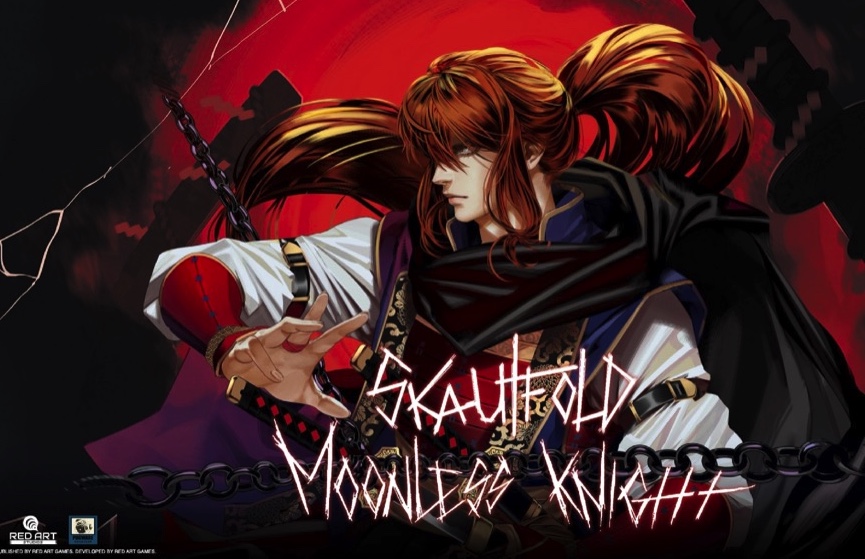
Skautfold: Moonless Knight is not a game that tries to win you over immediately. Instead, it asks for patience, persistence, and a willingness to learn its systems the hard way. Set in an alternate-history Japan where eldritch horrors descend from a fractured moon, this gothic metroidvania blends methodical combat with a bleak, lore-heavy world that gradually reveals its depth.
Having played it on Nintendo Switch, it actually feels quite at home on a handheld format. Its slower pace and exploration-heavy structure make it easy to pick up for short sessions, even if progress itself can be hard-earned.
A Unique Combat System That Demands Precision
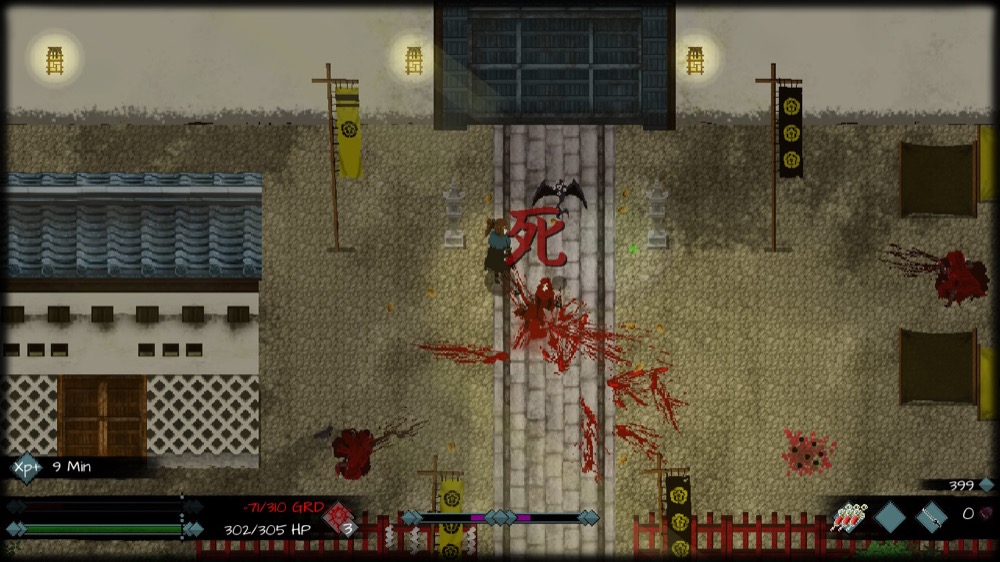
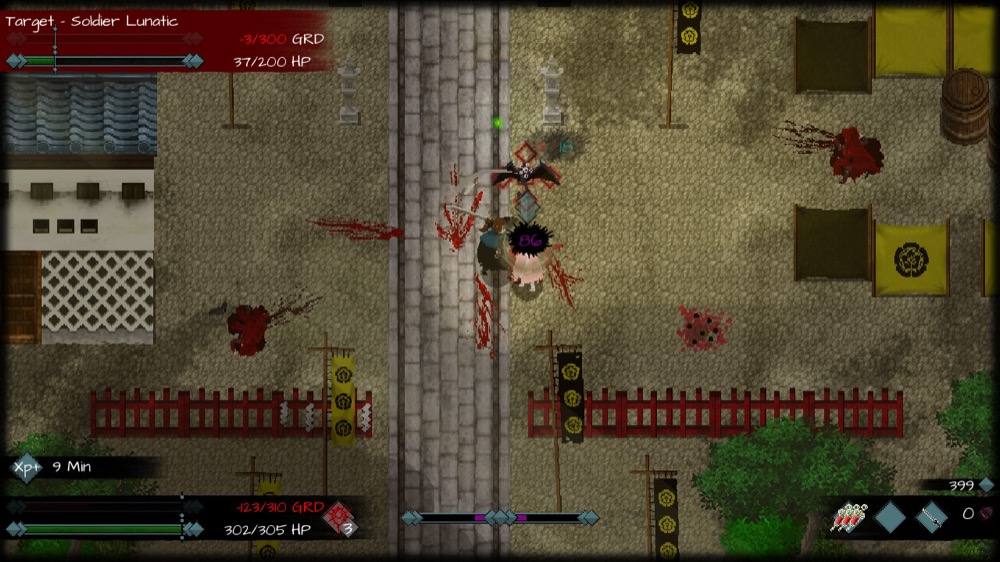
The first hurdle is understanding the game’s combat, particularly its GRD/AP gauge system. This dual-purpose meter acts as both your defensive buffer and your stamina. As long as your GRD holds, you can block incoming damage entirely, but every action (attacking, dodging, guarding) chips away at it. Once depleted, your actual HP becomes vulnerable.
It’s a clever system that rewards timing and awareness. If you manage your gauge well, you can go toe-to-toe with enemies without taking direct damage. The same applies to enemies, which opens up a tactical layer where breaking their guard makes them briefly vulnerable to heavy punishment.
However, this system takes time to click. Early on, before your stats and weapons improve, encounters can feel unforgiving. Runs are short, mistakes are costly, and repetition is part of the learning curve. It can be frustrating at first, especially if you’re expecting a more fluid, reactive combat style.
Progression Through Persistence
Unlike many RPGs, Moonless Knight doesn’t rely on a traditional skill tree. Progression is tied to usage and repetition, rewarding patience. Take damage, and your GRD and HP improve. Use a weapon frequently, and it levels up more. It’s a system that feels grounded in practice and repetition rather than choice, which can be refreshing, but also limiting depending on your preference.
The game does open up as you progress. Longer runs allow you to gather more Zen, upgrade weapons, and invest in a stronger familiar that support you in combat. This gradual sense of growth helps offset the initially steep difficulty curve, making later exploration more rewarding.
A Dark, Unusual World Worth Exploring
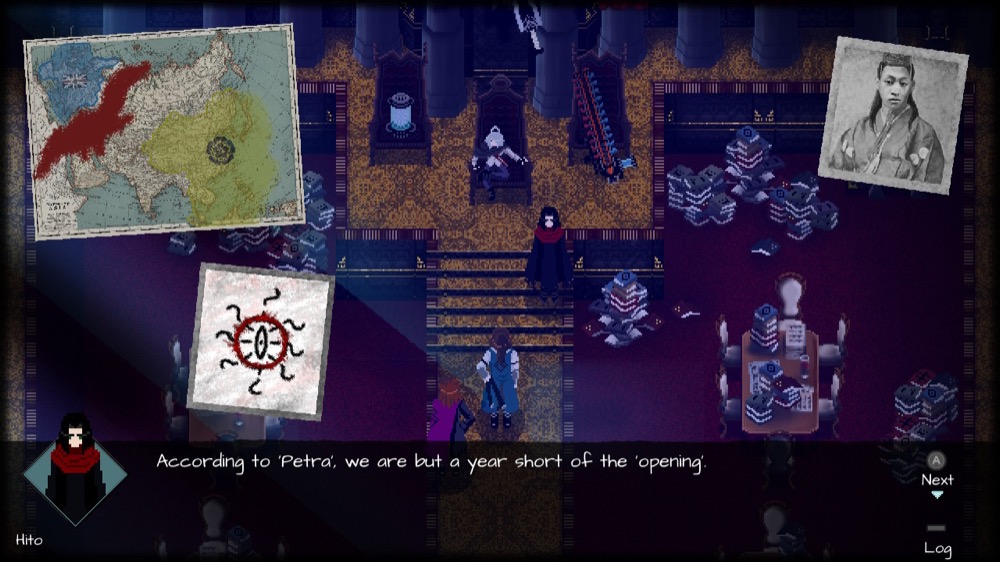
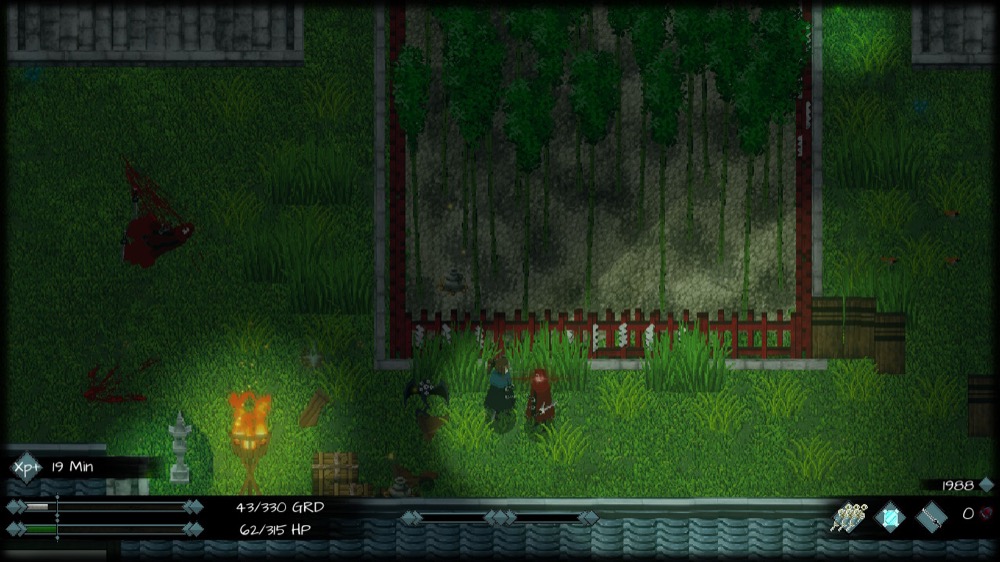
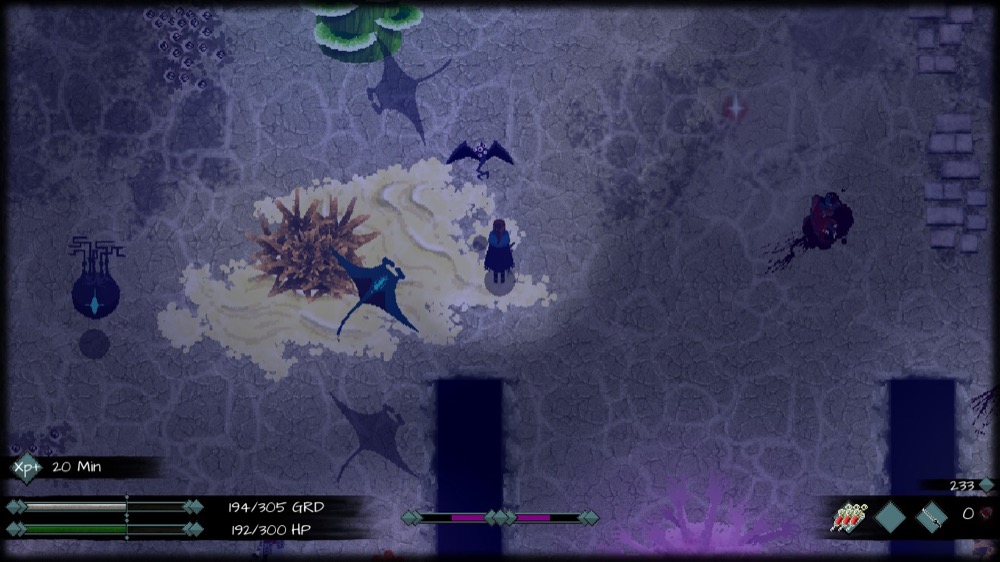
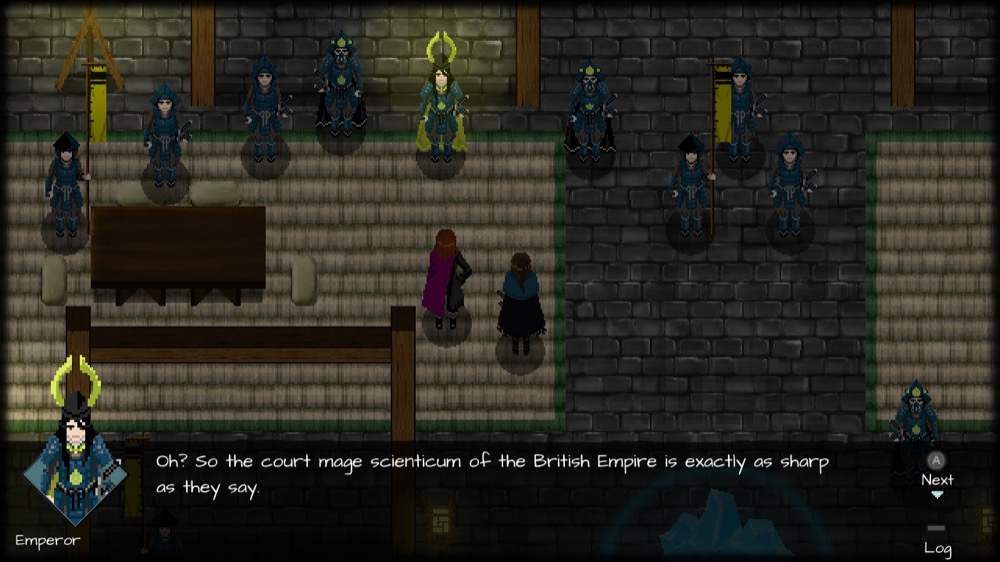
Where the game really stands out is its setting. The mix of historical Japan, gothic aesthetics, and Lovecraftian horror gives it a distinct identity. The imperial palace and its surrounding areas feel oppressive and mysterious, filled with cultists, strange creatures, and fragmented lore.
Exploration follows a semi-open metroidvania structure, with interconnected paths, shortcuts, and optional routes. It encourages curiosity, even if navigation and movement can occasionally feel a bit rigid compared to more modern entries in the genre.
A Niche Experience That Grows on You
Skautfold: Moonless Knight is very much a niche title. It won’t appeal to everyone, especially players looking for fast-paced, fluid combat or immediate gratification. Its systems require patience, and its early hours can feel repetitive and punishing.
But if you enjoy strategic gameplay, deliberate combat, and lore-rich worlds, there’s something compelling here. Once the mechanics start to click and your character grows stronger, the experience becomes far more satisfying, rewarding careful play over reckless action.
Final Thoughts
Skautfold: Moonless Knight is a slow burn in every sense. It challenges you upfront, teaches you through failure, and gradually reveals its strengths over time. While it may not be the most accessible metroidvania, it offers a distinctive and thoughtful experience for those willing to meet it on its own terms.