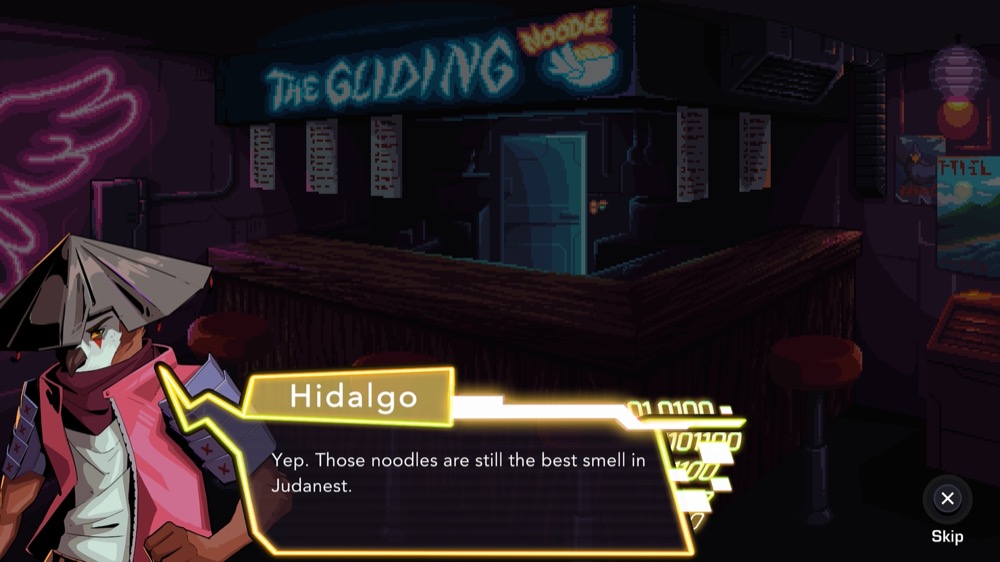




















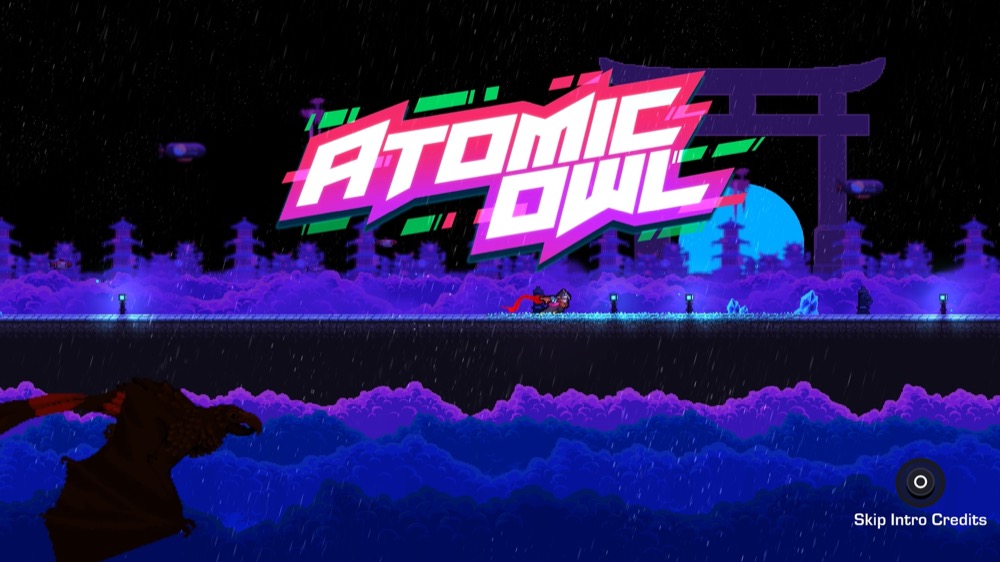
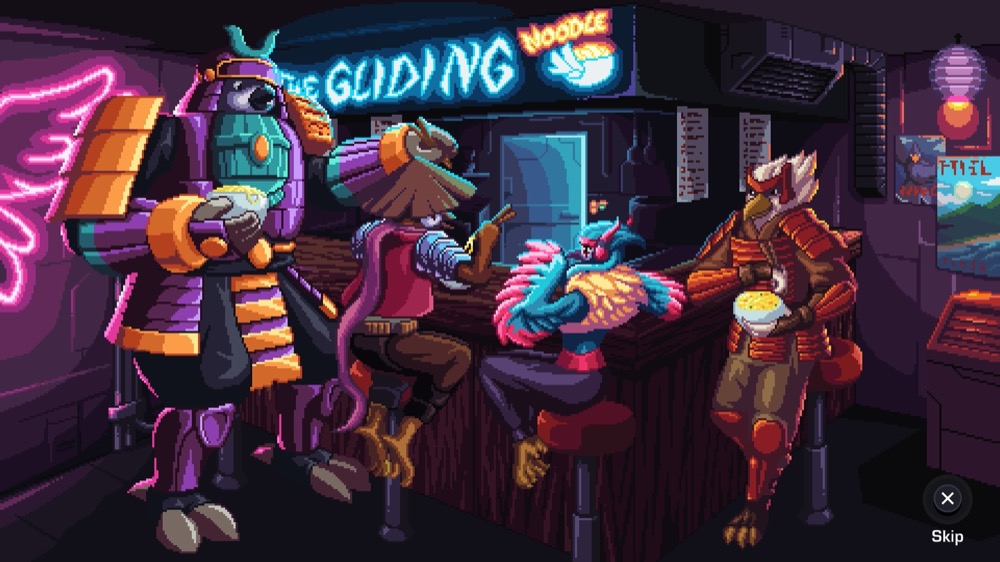
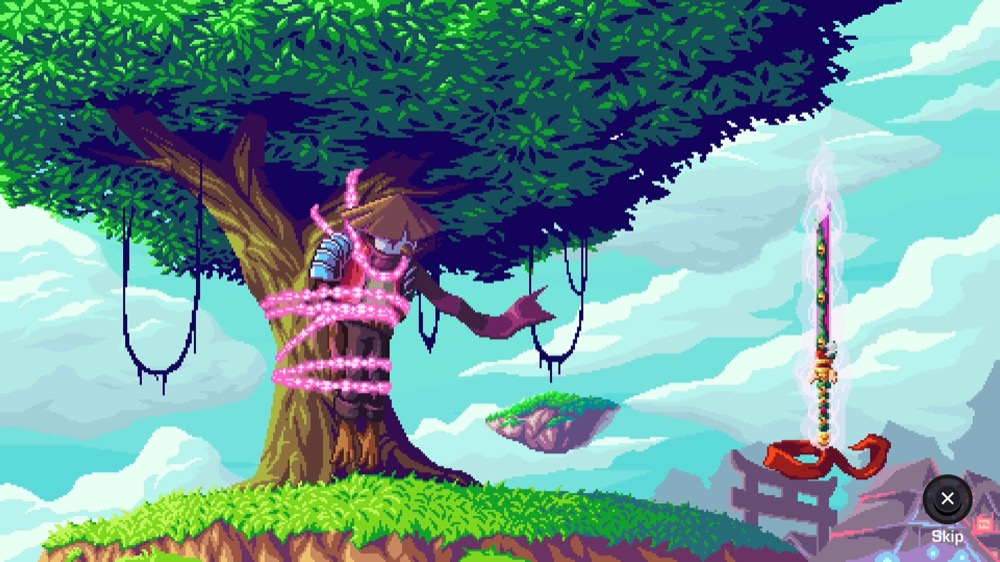
Atomic Owl drops you into Judanest, a world of bird warriors and ancient grudges, as Hidalgo Bladewing wakes up after two years to find his allies brainwashed by the Crow sorcerer Omega Wing. The premise is straightforward, but the game wraps it in vibrant 80s/90s-inspired pixel art and character designs with enough personality to pull you in before you’ve swung your first blade.
Fast, Flashy, and Addictive in Rhythm
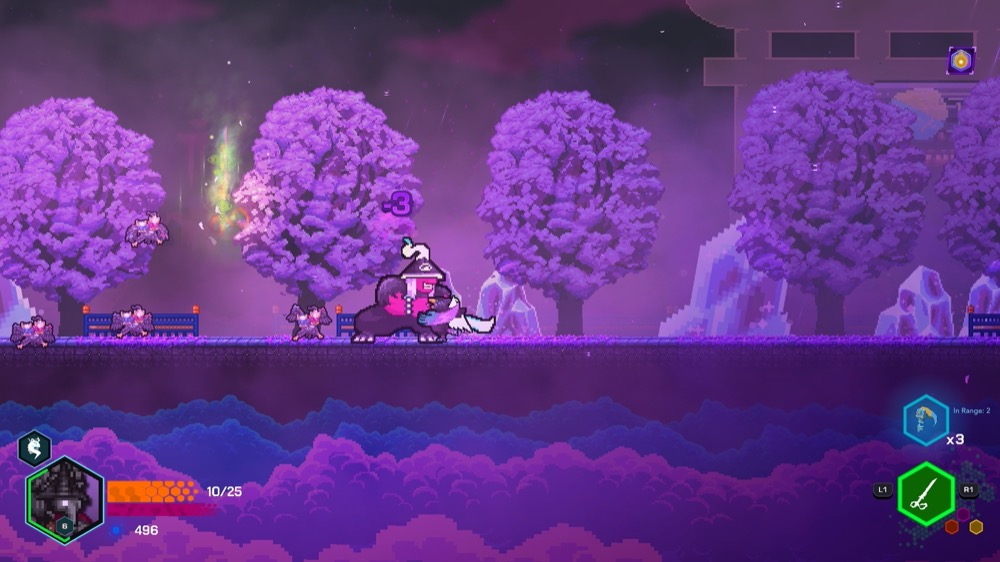
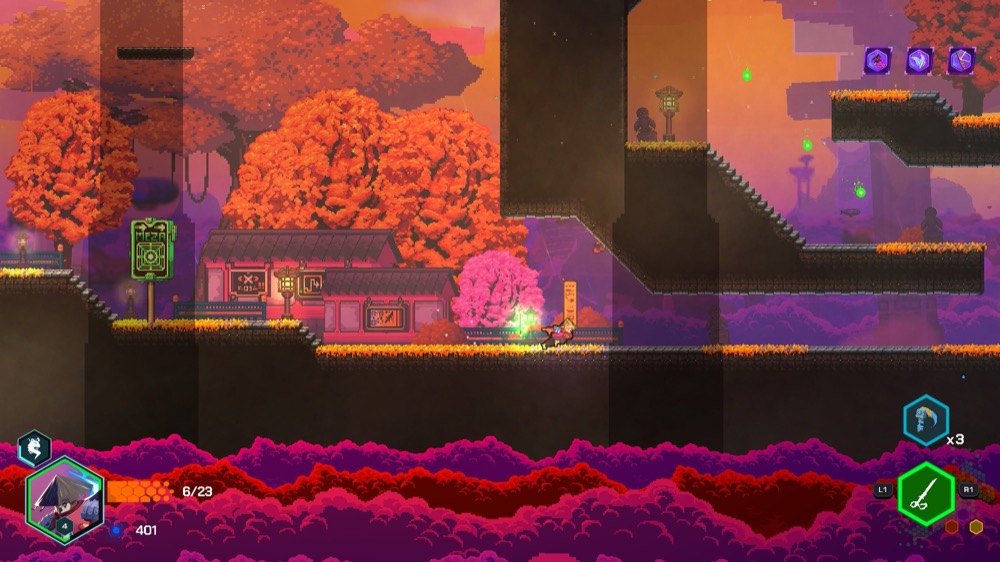
The core loop is side-scrolling platforming mixed with hack-and-slash combat across eight handcrafted vibrant zones, with roguelite structure layered on top. Stages are fixed rather than randomised, so progression is less about adapting to random layouts and more about learning enemy placements, mastering movement, and gradually smoothing out each run. Once that rhythm clicks, it becomes genuinely hard to put down.
Hidalgo comes equipped with a rotating arsenal that covers most combat situations. The Mezameta Blade handles close-range pressure, the Tengu Killer Whip gives mid-range reach, the Bladewing Buster hits slow but hard, and the Flattened Wing hammers are thrown for longer range. A cooldown throwable rounds things out, letting you pepper distant or grouped enemies between melee exchanges. The variety is there, and experimenting with combinations adds some welcome dynamism to each run.
Persistence Pays Off
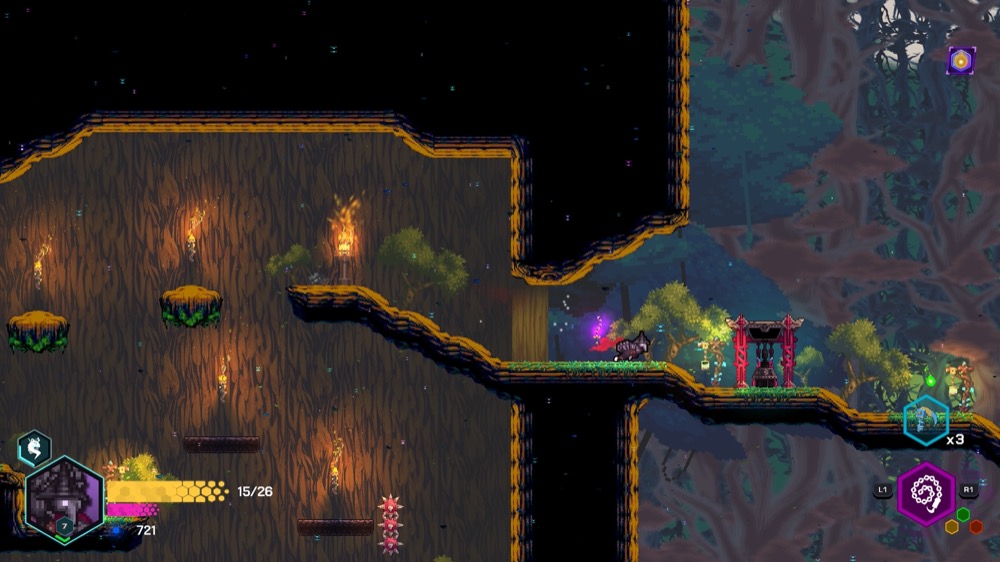
Progression splits between run-based pickups and permanent upgrades purchased with Meza, the currency you carry between attempts. The persistent side means each run builds on the last in a meaningful way, softening the sting of dying and keeping the overall experience feeling like forward momentum rather than a reset. Double and triple jump upgrades open up movement nicely as you go, and elemental effects like Flame, Lightning, and Poison give individual runs a distinct flavour.
The difficulty sits at a good middle ground — challenging enough to be engaging, accessible enough not to feel too punishing. Players who enjoy precision platformers or action-heavy roguelites should find it hits a comfortable sweet spot.
A Few Rough Edges
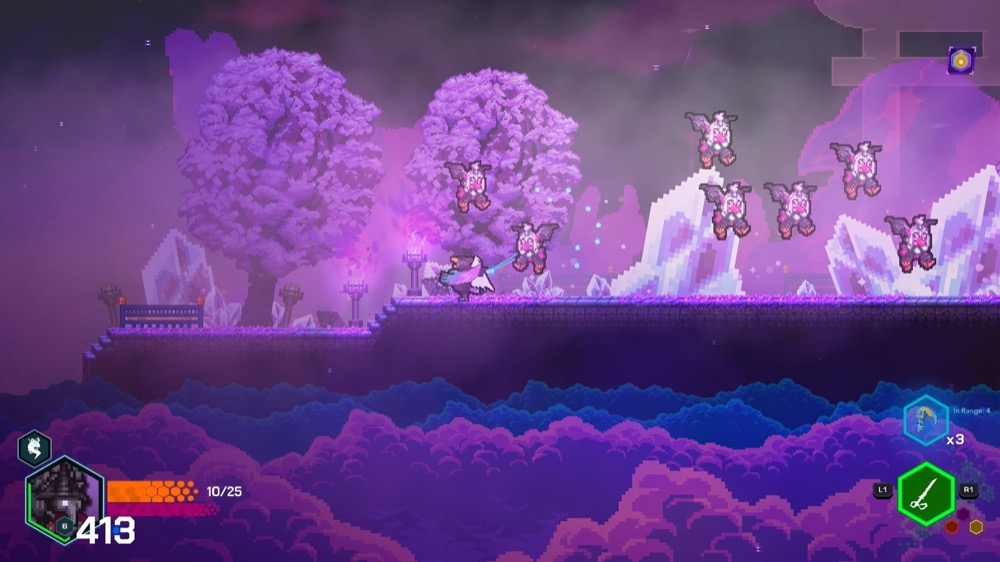
The main friction point is visual clarity. The camera sits fairly far back, and fights can get crowded quickly, making it harder to read incoming attacks during close-range exchanges. With melee weapons especially, some hits feel like they come out of the noise rather than something you could have seen and reacted to.
The voice acting is a similar story. There’s a clear attempt to channel the energy of 90s Saturday morning cartoons (think early TMNT) and if you grew up with that era it may land with a nostalgic warmth. But it can also feel a little forced and unnatural, especially in longer exchanges and cutscenes. The soundtrack fares much better and fits the tone of the action quite well, with catchy cool beats.
Worth Your Time?
Atomic Owl is an ambitious, good-looking indie brawler that earns its retro credentials. It won’t redefine the genre, but if you enjoy tight platforming, weapon variety, and the slow satisfaction of runs getting cleaner over time, there’s a lot to like here. A strong pick for fans of pixel art action games who don’t mind a learning curve upfront.