



























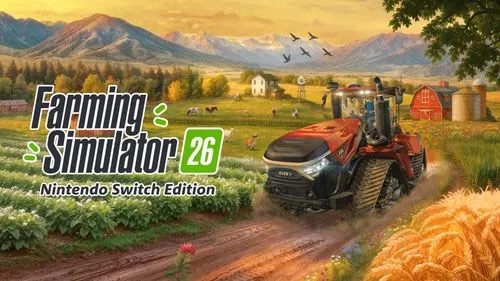
Farming Simulator 26 arrives on Nintendo Switch as a portable take on the long-running series, promising two new maps, over 120 authentic machines, and a relaxed farming loop you can pick up anywhere. For the right player, that’s an appealing pitch. But “the right player” matters a lot here, and the game doesn’t do enough to help you figure out if you’re one of them. 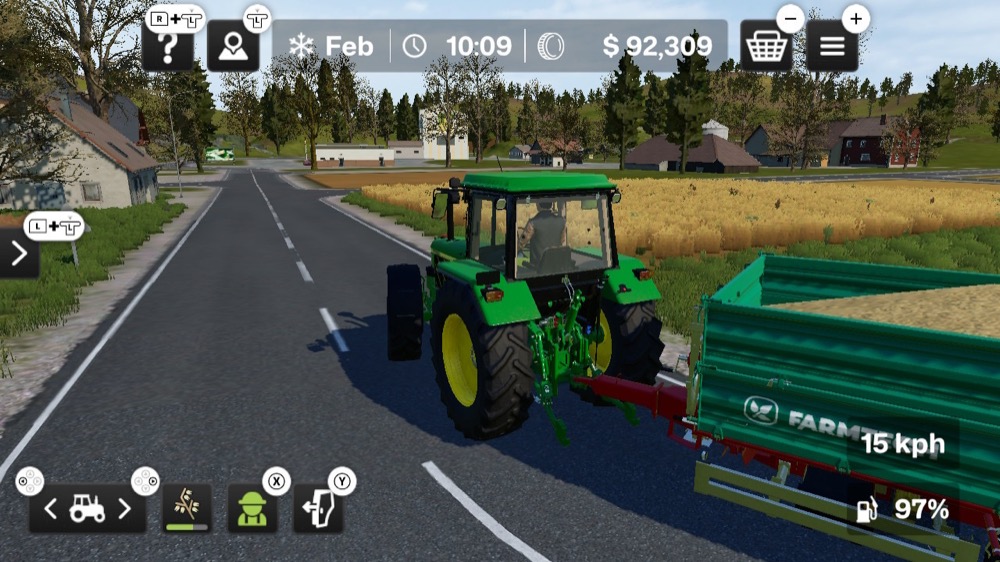
A Game That Assumes You Already Know
The biggest issue for newcomers is how little the game actually teaches you. There are tutorials, but they cover only the basic crop cycle (plow, cultivate, sow, harvest) and leave you largely on your own after that. Fertilising, weeding, animal breeding, forestry, and production chains are all part of the game, but you’ll need to figure them out yourself or turn to outside guides. For a series entry positioned as accessible and Switch-friendly, that gap can be frustrating.
Even basic mechanics that should be clearly explained (e.g. which machine does what, where to position them for tasks to trigger, what you can hand off to AI workers and when) are left largely undocumented. The written tutorials exist, but they don’t go deep enough to actually bridge the gap between “I planted a field” and “I’m running a profitable farm.”
The Machines Are the Game
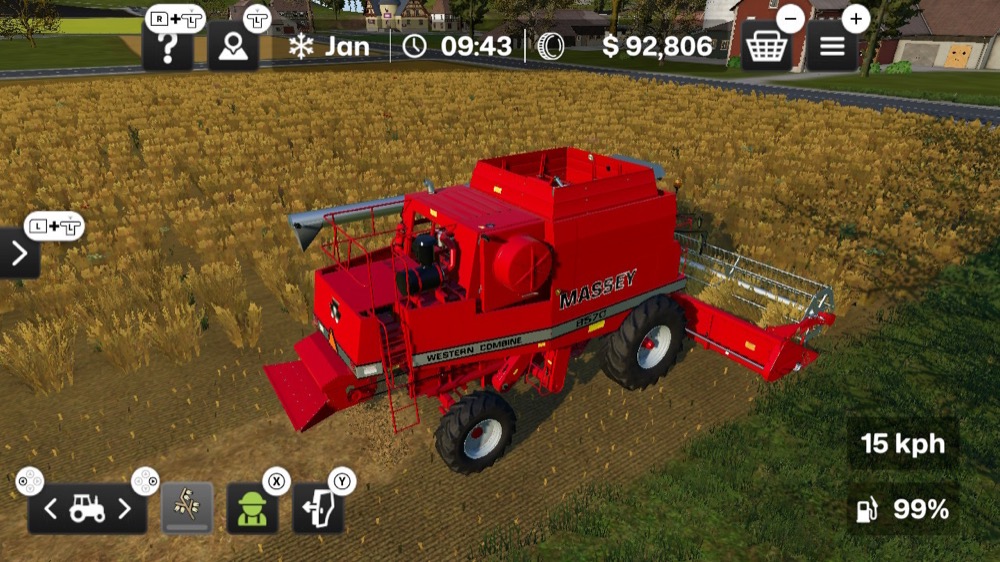
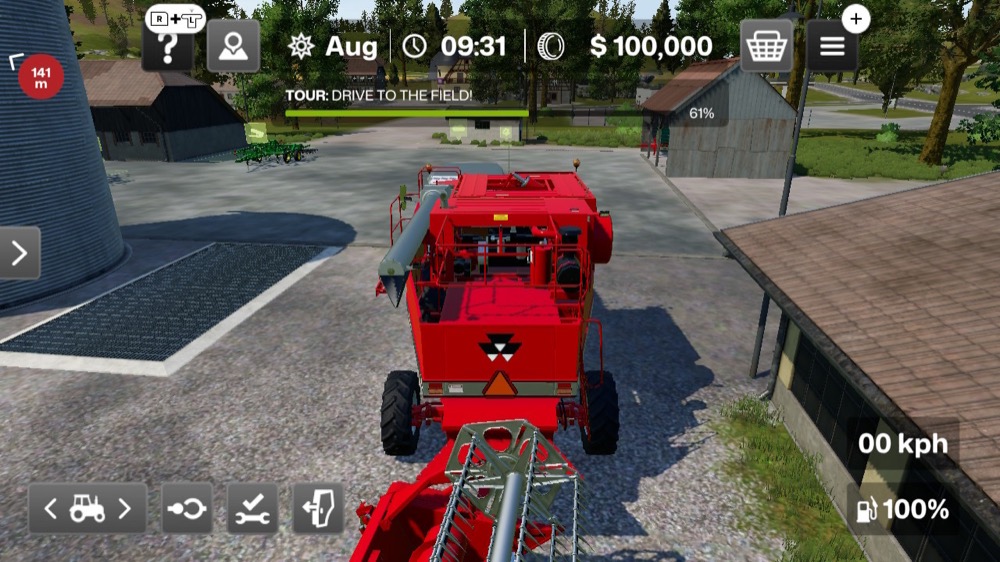
At its core, Farming Simulator 26 is a machine-driving game as much as a farming one. A significant part of the experience involves buying the right equipment, attaching the right implements, and physically driving them through fields. If you’re a tractor enthusiast or simply enjoy that mechanical, hands-on loop, there’s genuine pleasure in the roster here. Over 120 authentic vehicles is a serious collection, and operating them has its own satisfying rhythm once you know what you’re doing.
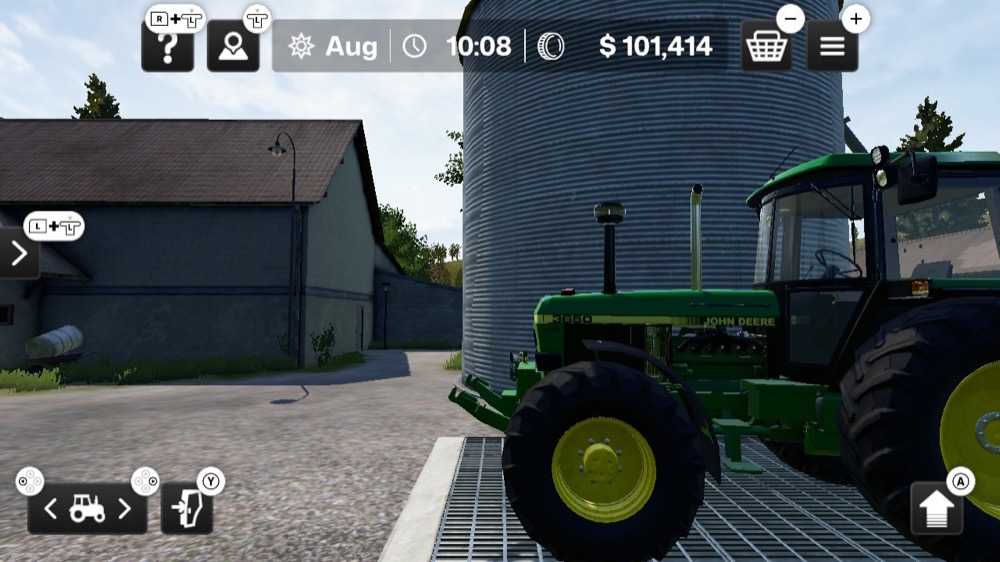
On Switch, though, the driving itself can feel clunky. Lining up attachments precisely and navigating tight turns requires more patience than the portable format really invites, and occasional frame rate drops don’t help. It takes some of the shine off what should be one of the game’s highlights.
 A Long Road to Profitability
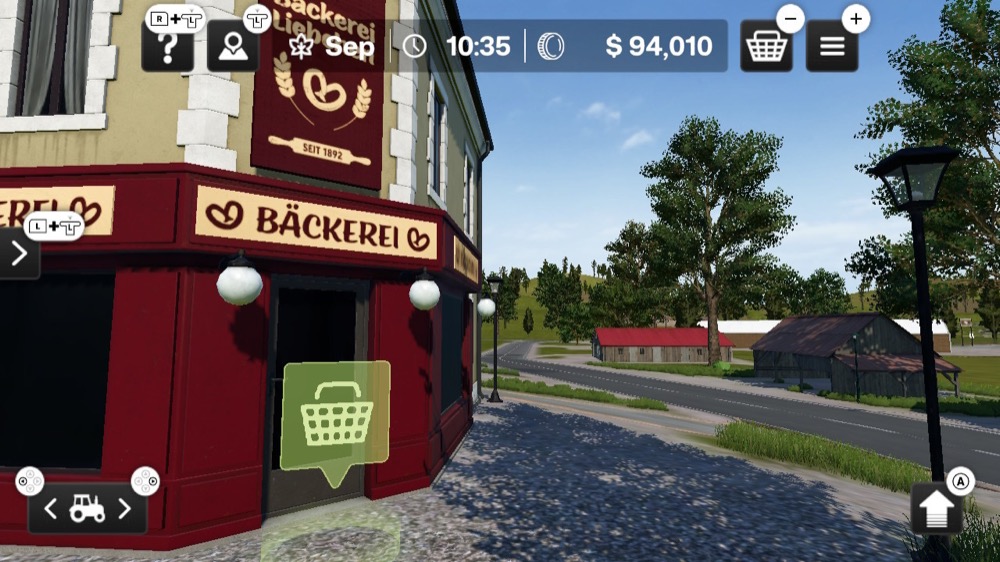
Progression is slow by design, and that’s not necessarily a problem — farming sims are meant to be gradual. But the combination of a steep learning curve and limited guidance means the early hours can feel more exhausting than relaxing. Building a profitable loop takes real time and effort, and more ambitious goals like raising cows or building full production chains to end-products (e.g. bakery) require working your way up through several smaller cycles first. Chickens before cows, grain before barn, and so on. There’s logic to it, but without clearer signposting, it can feel more like stumbling forward than building something deliberately.
 Who This Is For
Players already familiar with Farming Simulator will feel at home here reasonably quickly, and the Switch format makes it a decent portable option for sessions on the go. But for complete beginners, the experience asks for a lot of patience before it starts to reward you, and the lack of guidance will likely send you to YouTube before the first hour is up.
If you’re after a relaxed farming game that eases you in gently, there are friendlier options on Switch. If you’re a series veteran after a portable version, or simply very curious about the series and willing to do some homework, Farming Simulator 26 has plenty to offer once you find your footing.