

























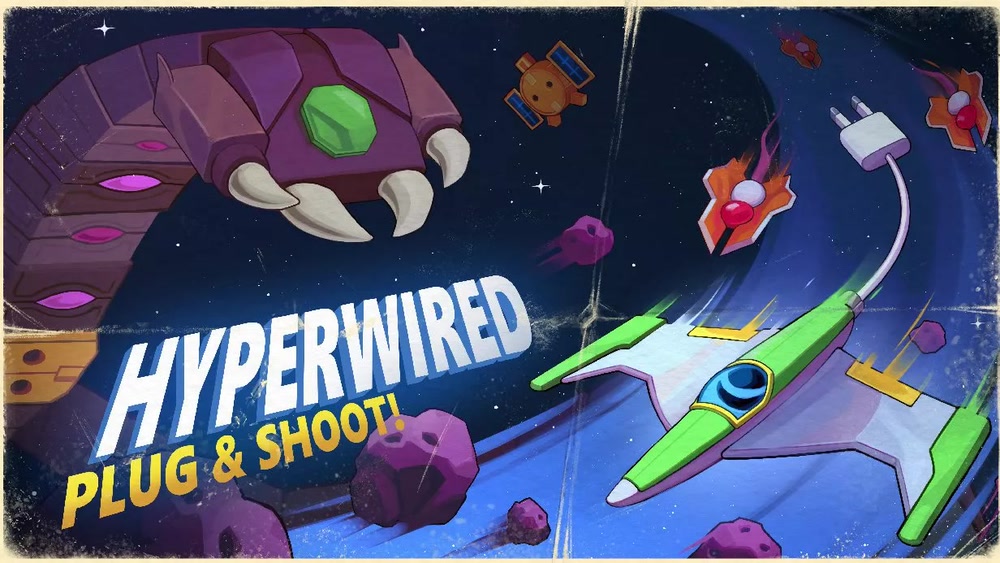
HYPERWIRED arrives with a cool pixel-art look that might initially evoke classic 16-bit space shooters, but manage your expectations going in: this is a modern roguelike resource-management game wearing retro clothes, and that distinction matters quite a bit for whether you’ll enjoy it.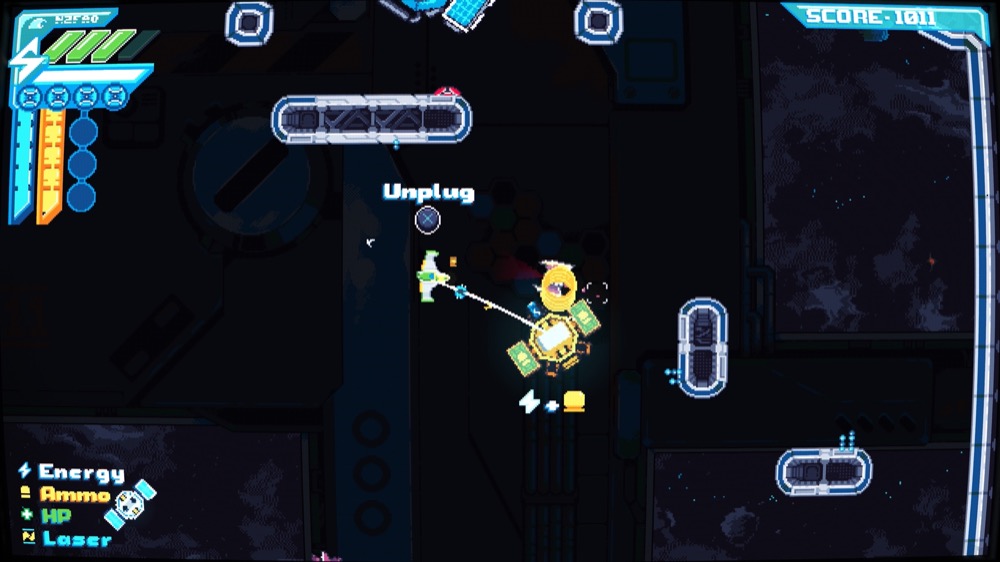
The Power Plug Is the Whole Game
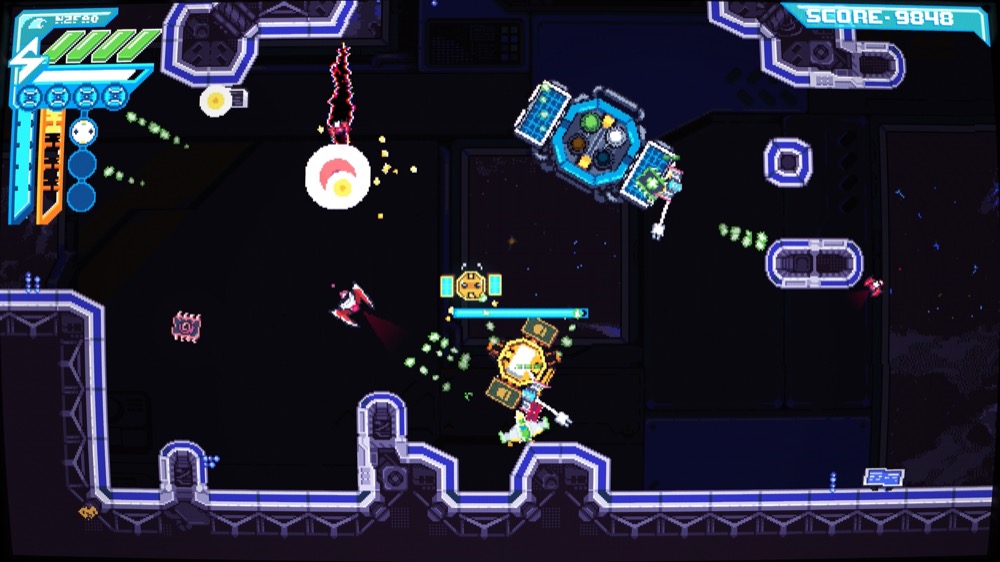
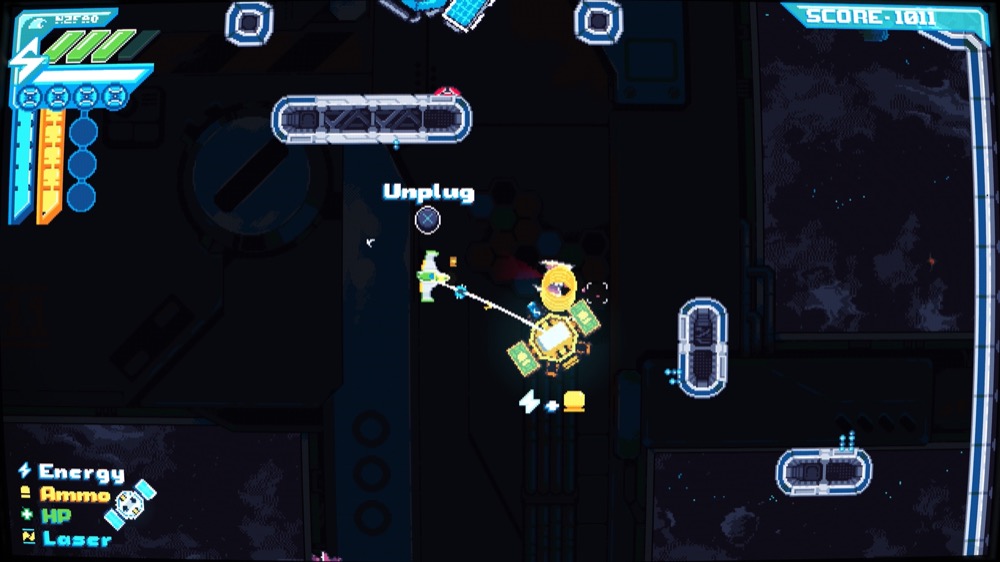
The central mechanic is genuinely inventive. Your ship connects to power sockets scattered through each sector, and staying plugged in keeps your firepower strong and your energy topped up. The catch is that the tether limits how far you can move, turning every fight into a positioning puzzle under fire. Unplugging gives you freedom but drains your resources faster, so you’re constantly weighing mobility against staying powered up.
It’s a smart idea that gives the game a distinct identity in a crowded genre. The tension it creates is real, and when it clicks, combat feels more tactical than most top-down shooters manage.
Resource Scarcity Changes the Feel
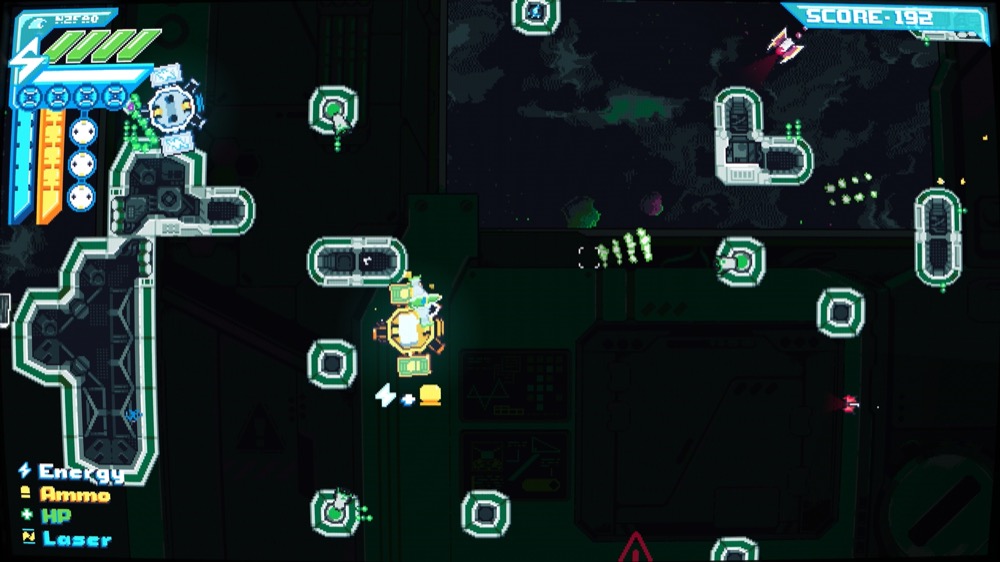
Where some players may find friction is in how tightly the game manages ammo and energy. Both are scarce enough that you can’t afford to play loosely, and momentum can stall quickly if you get caught low on resources mid-fight. For players expecting the fluid, fast chaos of an old-school shooter, that friction can feel like it’s working against the fun rather than adding to it.
With 40-plus upgrades and around 250 bullet modifier combinations across multiple ships, there’s genuine build variety here. But the roguelike structure means each run demands careful attention to resource management alongside everything else you’re juggling: enemy patterns, positioning, aiming, and navigating procedurally generated sectors with large bosses waiting at the end.
Who It’s Built For
HYPERWIRED is a good pick if you like your shooters deliberate and strategic rather than fast and breezy. The tether mechanic and resource pressure reward patience and planning, and the build variety gives runs enough variety to keep things interesting. If you’re after something closer to the pick-up-and-blast feel of retro arcade shooters, the pixel art may be misleading — this asks for more than that. But on its own terms, it’s a creative and fairly distinctive take on a genre that doesn’t always push its mechanics this far.