













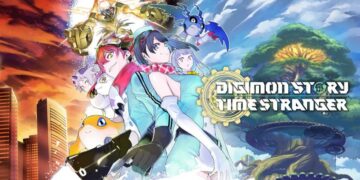






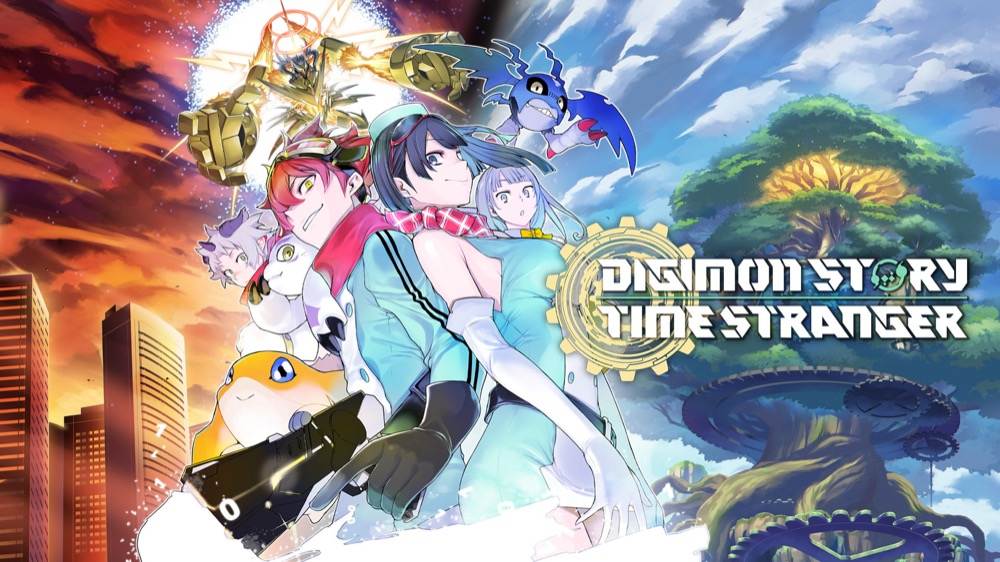
Digimon Story: Time Stranger arrives on Nintendo Switch as the latest entry in the long-running Digimon Story series, and it makes a strong case for itself whether you’re a longtime fan or a complete newcomer to the franchise. As a pure JRPG, it’s one of the more content-rich and well-crafted entries the genre has seen on Switch in a while.
A World Worth Investigating
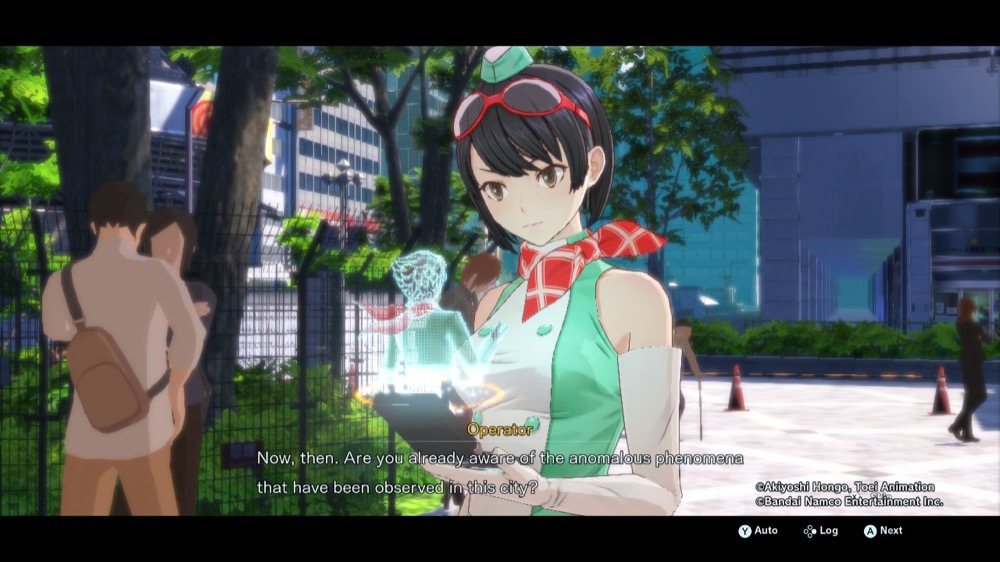
You play as an agent of ADAMAS, a secret organisation drawn into a mystery that threatens to collapse the boundary between the Human World and the Digital World. The story spans real-world districts like Shinjuku and Akihabara alongside the vast digital realm of Iliad, and the dual-world structure gives the game a satisfying sense of scale. Both sides feel like proper, connected places with their own characters, side content, and atmosphere rather than just corridors between battles.
Exploration is smooth and largely friction-free. Enemies appear visibly on the field, and a pre-emptive DigiAttack can instantly handle weaker foes or give you a meaningful edge going into tougher fights. The DigiRide mechanic, which lets you mount certain Digimon to move faster across maps, is a small but welcome touch that keeps traversal feeling lively.
Monster Raising Done Right
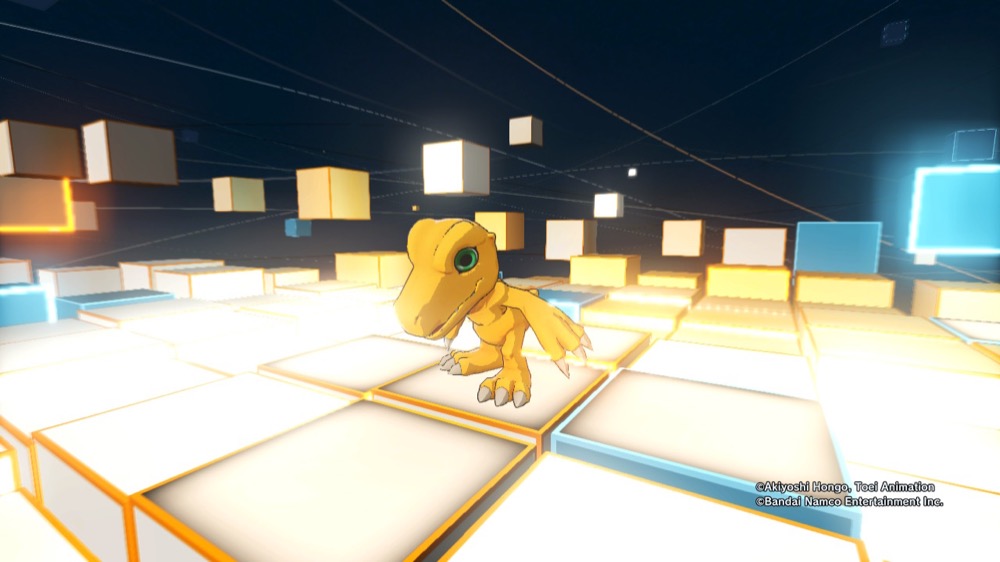
The heart of the game is collecting, raising, and evolving Digimon, and Time Stranger handles this with more flexibility than past entries in the series. You recruit Digimon by raising their Scan Rate through encounters and defeats, then guide their growth through digivolution paths shaped by personality types and bonds. De-evolving to re-evolve along a different path carries stats over, making experimentation genuinely viable rather than punishing.
With over 450 Digimon to recruit, each with their own personality-driven passive skills and branching evolution routes, the depth here is substantial. It rewards time and attention without demanding it all at once.
Combat That Earns Its Complexity
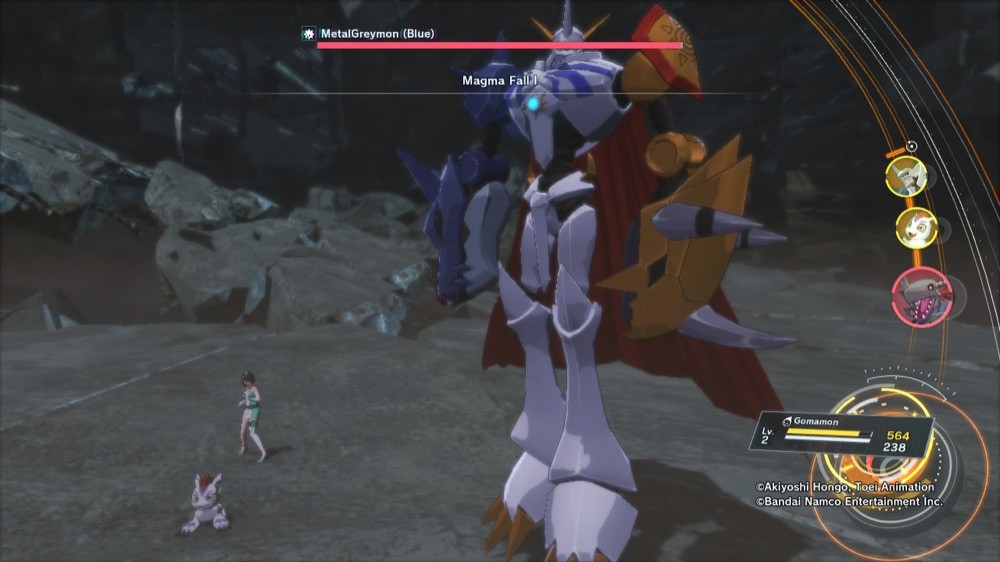
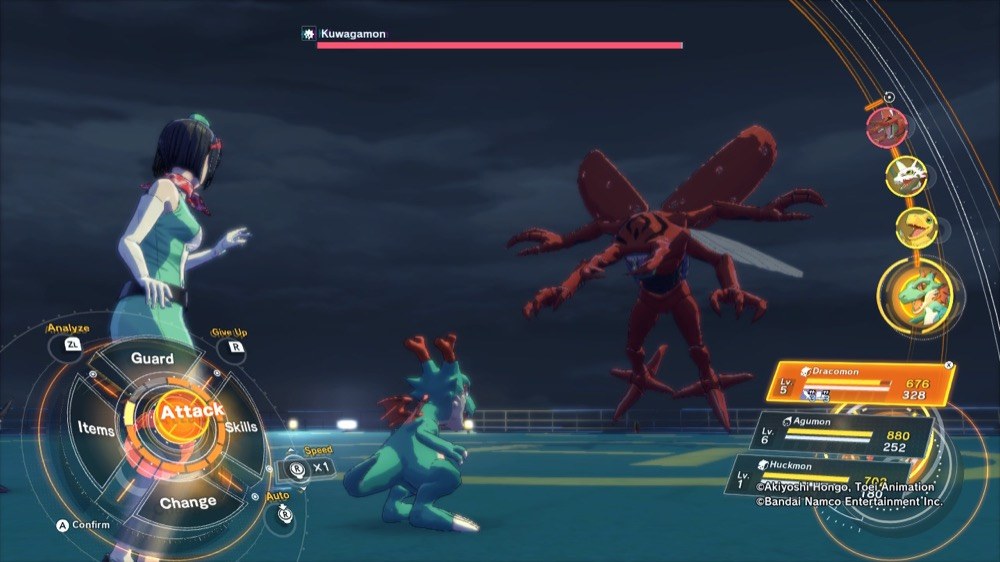
Battles are turn-based and built on a familiar attribute triangle (Data, Vaccine, Virus) now layered with elemental strengths and weaknesses that can push damage multipliers significantly higher when both align. Team composition and type matching matter in a way that makes building your party feel meaningful rather than cosmetic.
Your human character also plays an active role through Cross Arts, which let you jump in with powerful attacks or full heals at key moments. It’s a smart addition that gives you agency beyond just directing your Digimon. For grinding, battle speed can be pushed up to five times and auto-battle handles repetitive encounters efficiently, keeping the pacing from dragging even when you need to level up.
A Strong Package on Switch
The Switch version arrives with a solid feature set, and Switch 2 players can choose between Quality Mode at 4K/30fps or Performance Mode at 1080p/60fps. A free update added a Graphics Mode and Photo Mode around launch, and the Digital Deluxe and Ultimate editions bundle in a Season Pass and additional costumes for those who want the full package.
The main caveat worth noting is that some launch players reported bugs, and the price point sits higher than older entries in the series. Worth checking the current patch state before diving in.
Worth Your Time, Fan or Not
Time Stranger doesn’t require familiarity with the Digimon universe to enjoy. The JRPG fundamentals are strong enough to stand alone, and the sheer volume of content (between the main story, side quests, raising systems, and roster depth) gives it the kind of staying power that makes it easy to recommend. For JRPG fans on Switch looking for something meaty and well-made, this is a very solid pick.