










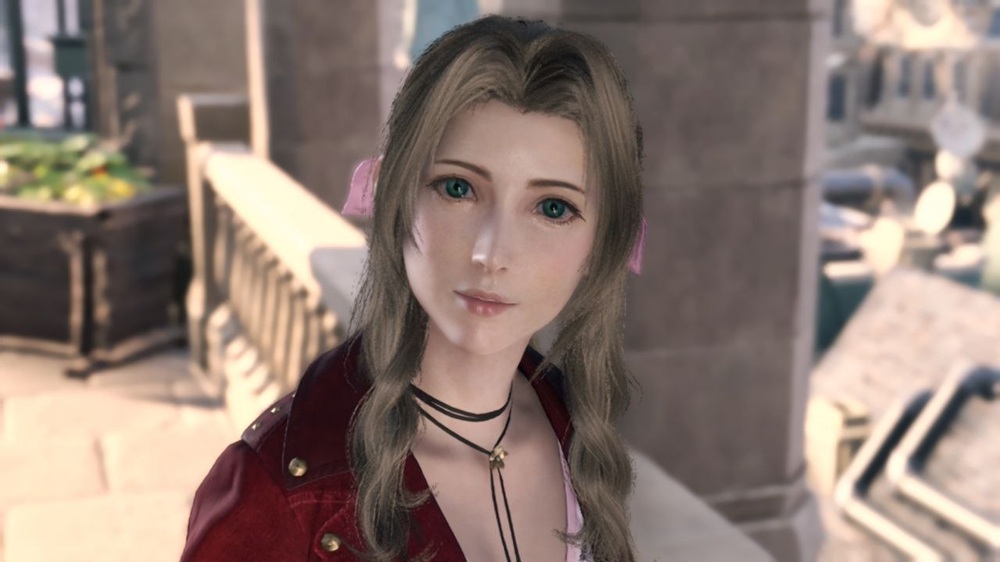
Playing Final Fantasy VII Remake Intergrade earlier this year on the Nintendo Switch 2 felt surreal, highlighting just how much technology has advanced. Looking back at how games used to be played on different mediums, it is hard to believe what game developers have managed to achieve in 30 years. Final Fantasy VII Rebirth arrives just five months later, and witnessing a game of this sheer scale exist on a portable system is nothing short of incredible. Although the Switch 2 version lacks depth in some graphical areas, the full experience is yet another reason why the Final Fantasy series as a whole remains the strongest in the JRPG space. It retains almost everything from the original release, albeit with the caveat of slow loading times and blurry textures.
Stepping Out of Midgar
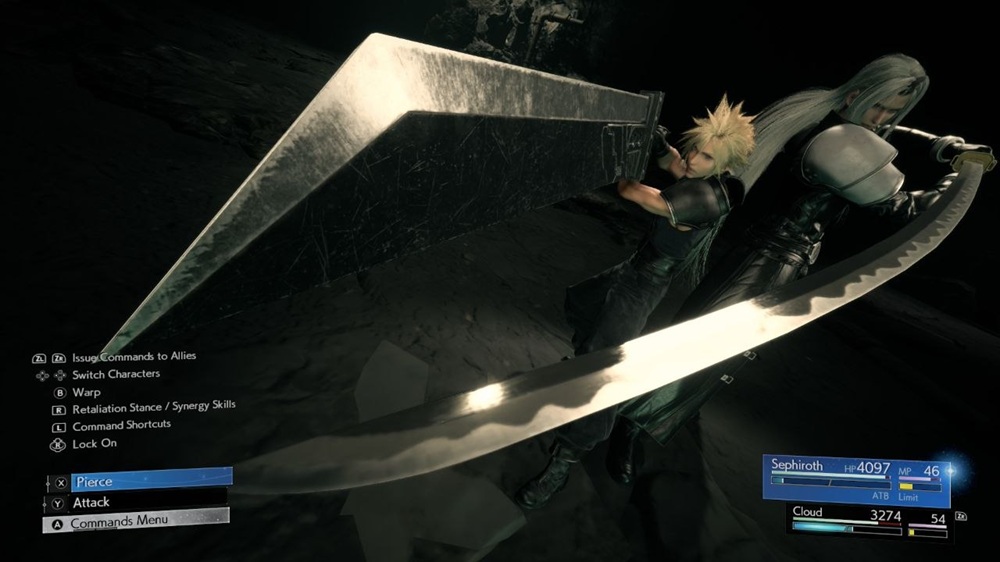
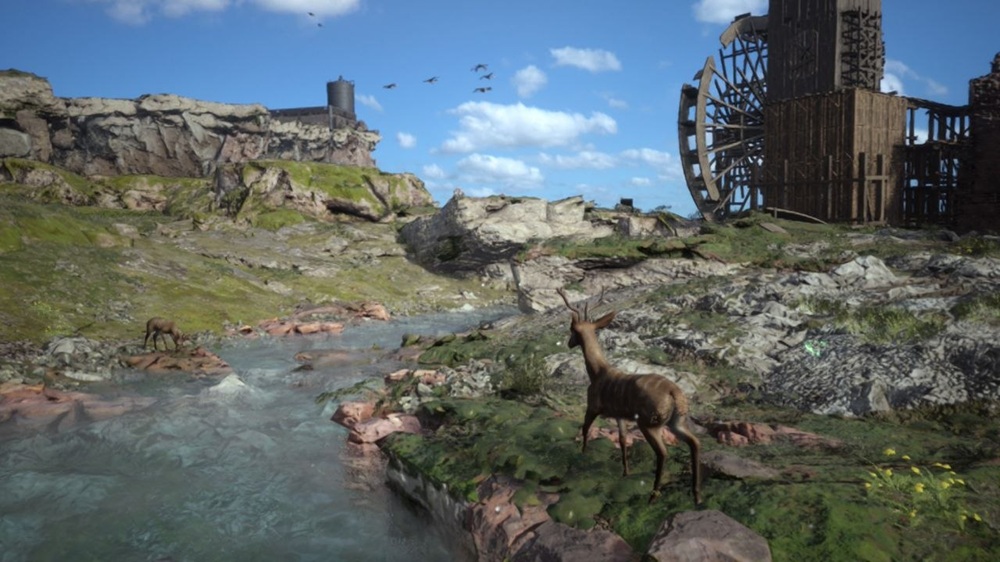
Immediately loading up the game, players are dropped into the events following the first game, where Cloud and Avalanche flee Midgar after blowing up the Shinra building. Players finally step out of Midgar to experience the open world of ‘The Planet’. Every region from the original game has been faithfully recreated with crisp graphics and memorable set pieces. Not a single place feels empty; the world is packed with side quests, so many, in fact, that it can get a bit overwhelming. Luckily, the developers paced the overworld well, ensuring that each objective leads naturally into another with substantial rewards and a genuine sense of achievement. Every continent is carefully layered with a distinct personality that never feels disconnected, especially when players finally land in Gongaga, the nostalgia hits hard.
A Meaningful Rebirth
Rebirth is a fitting title for the second part of this remake trilogy in many meaningful ways. Some memorable moments from the original live on in their familiar glory, while new elements have been introduced to tie the original beats together seamlessly. This creates a wonderful balance, capturing the spirit of the original dialogue while offering something fresh. The team clearly understood why the original game is held so dearly by fans, while also successfully creating new moments for newcomers.
Technical limitations were the biggest hurdle for the 1997 original, restricting a lot of key character moments. For instance, voice acting obviously was not a thing back then, but it shines here. (Spoiler alert!) Red XIII puts up a facade of a wise, aged warrior, but among his own species, he is merely the equivalent of a teenager. We finally get to hear Red XIII’s actual coming-of-age voice, and what can I say? He’s just adorable in many ways. This is just one small example of how Rebirth brings the original game to life in entirely new ways. There are also a handful of key character beats that develop naturally throughout the journey, and they feel incredibly organic.
Fluid Combat and Deep Strategy
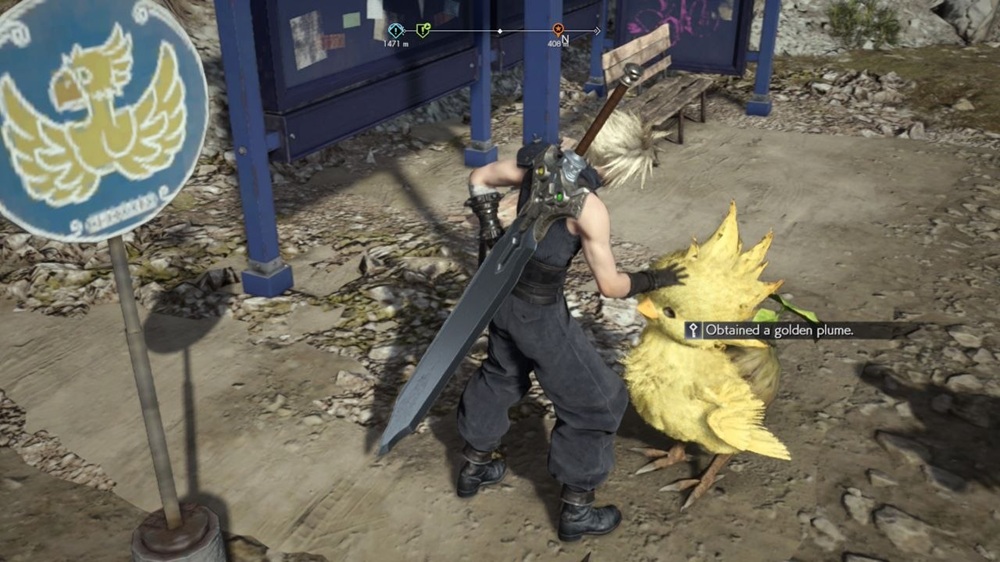
The all-new combat system from Remake Intergrade remains the heart of Final Fantasy VII Rebirth. It is fluid, fast, and engaging, flawlessly blending real-time action with the command-based strategy present in Remake Intergrade. Every character now features new synergy attacks when paired together, complete with unique animations. Some are flashy and cool, while others are quirky and humorous. This is far from your average hack-and-slash; strategy plays a vital role. Every piece of Materia slotted into a character’s gear factors into how players form their party composition.
Exploring ‘The Planet
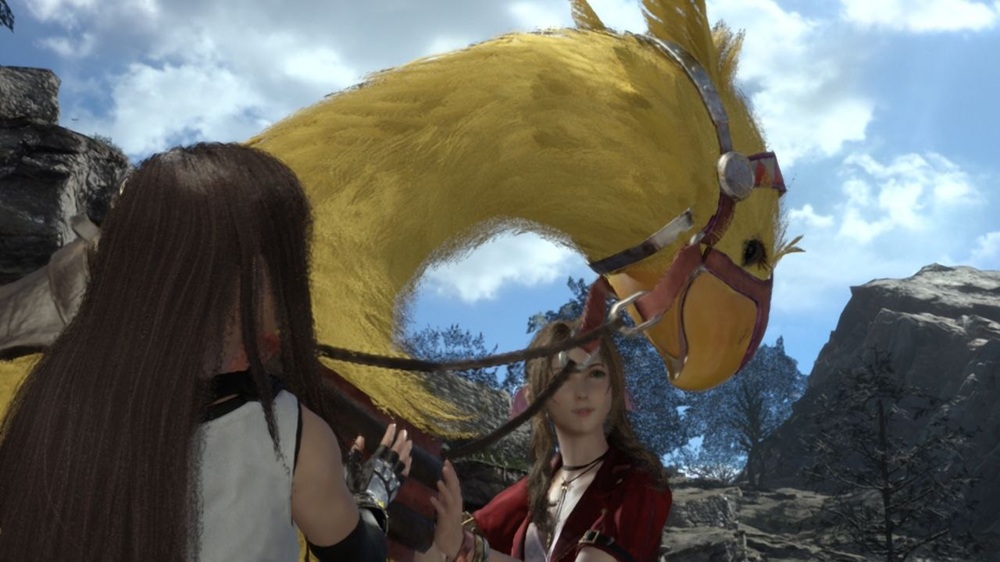
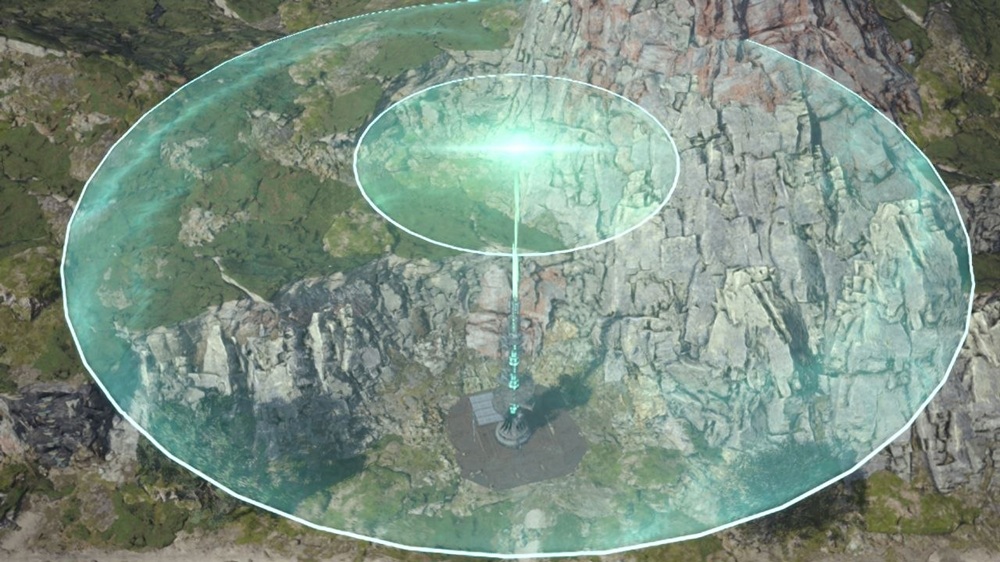
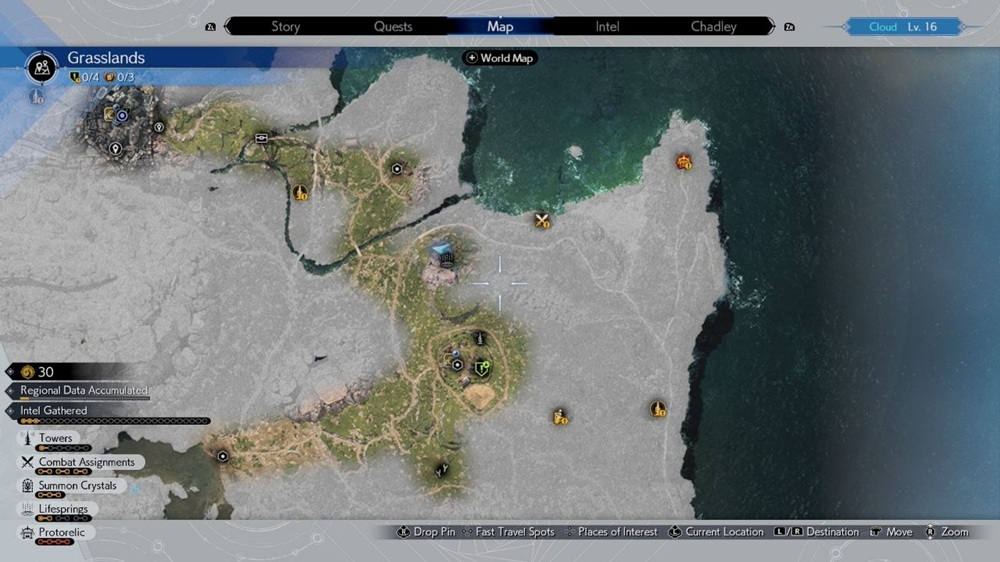
Exploring the world has never felt better. With Chadley returning to provide open-world checklists, World Intel activities are sprawled across the map. Players can uncover excavation sites by using Chocobos to locate lost treasures, visit summoning shrines to understand how each summon works, and tackle specialized combat assignments. Chocobos definitely come in clutch; they not only speed up traversal across this vast world, but they can also climb steep cliffs, glide across vast gaps, and uncover hidden paths.
The Gold Saucer also deserves an honorable mention. The amount of content jammed inside is overflowing with cute Easter eggs from the original, and players are in for a real treat. Furthermore, the game doesn’t just rely on side quests; it constantly pulls the player’s attention back to major narrative milestones. I sincerely hope we get a standalone game consisting of all the featured minigames—especially Queen’s Blood. That card game is an absolute addiction.
The Portability Cost
Sadly, all of this extra content comes at a price, especially when playing in handheld mode on the Switch 2. The device’s performance is constantly being tested vigorously. Everything appears relatively soft and not as crisp as players might like, which is a bit of a shame given what the hardware is usually capable of. Frame rates can get a bit choppy, and performance takes a noticeable hit. Some of the larger combat set pieces suffer from these same performance dips, with visual effects occasionally stuttering, though it is by no means an overall letdown.
Rebirth On-the-go
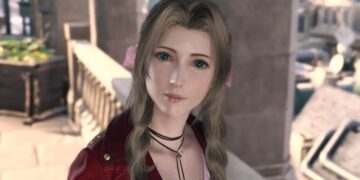
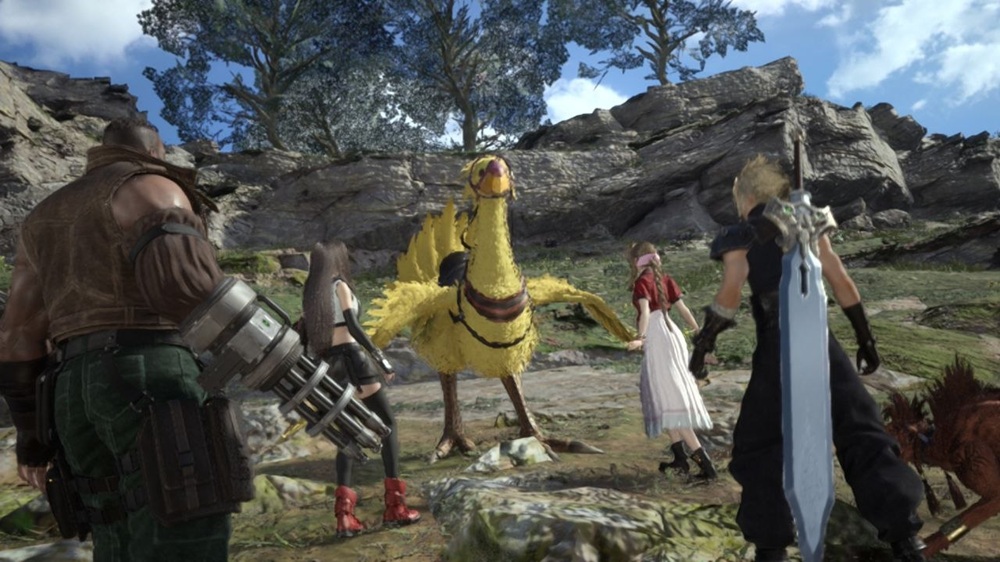
Performance issues aside, the gameplay feels right at home on a handheld. Being able to experience all of this encapsulated on a portable device is a technical marvel that the developers clearly poured their hearts and souls into. The character models and expressions are beautifully crafted, the world-building is gorgeous, and the art direction is spot-on. Not to mention, the iconic music stays with you long after you play. Shifting from intense combat beats to emotionally orchestrated tracks, the score breathes refreshing new life into the 1997 original.
For players who want to jump in for the first time—especially those who are always on the move—this is a fantastic way to experience the game. The hardware limitations never truly diminish the scale of such a spectacular adventure. Final Fantasy VII will undoubtedly live on for many decades to come, and it remains the most beloved franchise in the JRPG space.
Thank you again to the publisher for providing the review code. Playing Final Fantasy VII Remake Intergrade earlier this year on the Nintendo Switch 2 felt surreal, highlighting just how much technology has advanced. Looking back at how games used to be played on different mediums, it is hard to believe what game developers have managed to achieve in 30 years. Final is out now on the Nintendo Switch 2.